Shallow Burial Depth is Better for Our Environment
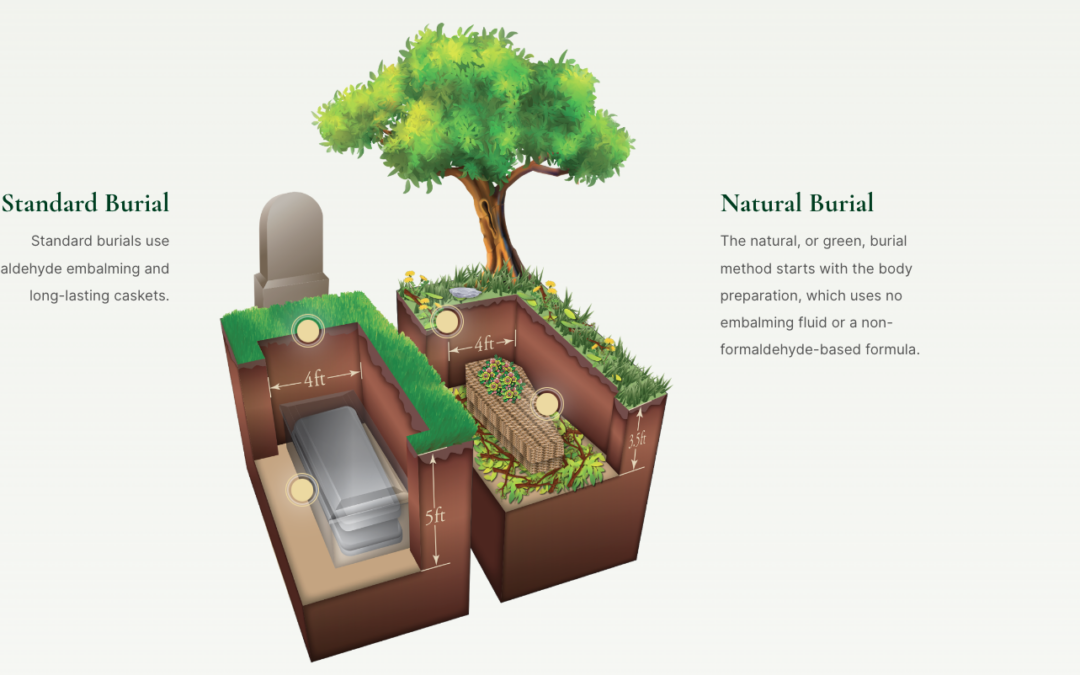
The way we lay our loved ones to rest can have a significant impact on the environment. Recently, there has been a growing interest in alternative burial methods prioritizing sustainability. One such approach gaining attention is shallow burial, typically at a depth of around 3.5 feet. This practice promotes aerobic decomposition, which is better for the environment and more efficient than traditional deep burials.
Aerobic Decomposition vs. Anaerobic Decomposition
Traditional deep burials often lead to anaerobic decomposition, where organic matter breaks down without oxygen. This process produces methane, a potent greenhouse gas contributing to climate change. Shallow burial, on the other hand, encourages aerobic decomposition, where oxygen is present, and decomposition occurs more efficiently.
Reduced Greenhouse Gas Emissions
As mentioned, aerobic decomposition minimizes the production of methane. This reduction in greenhouse gas emissions is crucial for combating climate change. Shallow burials help to mitigate these emissions, making them a greener choice.
Faster Decomposition
Shallow burials allow quicker body decomposition, returning nutrients to the soil more rapidly. This can positively affect the surrounding ecosystem, promoting healthier plant growth and soil fertility.
Conservation of Land Resources
Shallow burials typically require less land space; this conservation of land resources can help address issues related to urban sprawl and land scarcity, ensuring that valuable natural areas are preserved.
Natural Memorialization
Shallow burials work well with natural memorialization practices like planting trees, wildflowers, or native vegetation on or near the burial site. It creates a living tribute to the deceased. It enhances the local ecosystem, providing a meaningful and sustainable way to remember loved ones.
Legal Considerations
It’s important to note that legality may vary by location. Local authorities often set burial practices regulations, which may differ from region to region. It’s essential to research and comply with any legal requirements in your area.
As our society becomes increasingly conscious of the environmental impact of our actions, it’s only natural that we seek more sustainable end-of-life practices. Shallow burial at a depth of 3.5 feet, which encourages aerobic decomposition and minimizes greenhouse gas emissions, represents a significant step toward eco-friendly burial options. This approach benefits the environment and allows us to remember our loved ones in a way that aligns with our commitment to a greener and more sustainable future. By considering shallow burial depth, we can contribute to a more environmentally responsible approach to the end of life.
Think green burial may be the right fit? As part of your last act, why not enhance the environment rather than impact it? Contact us today!