
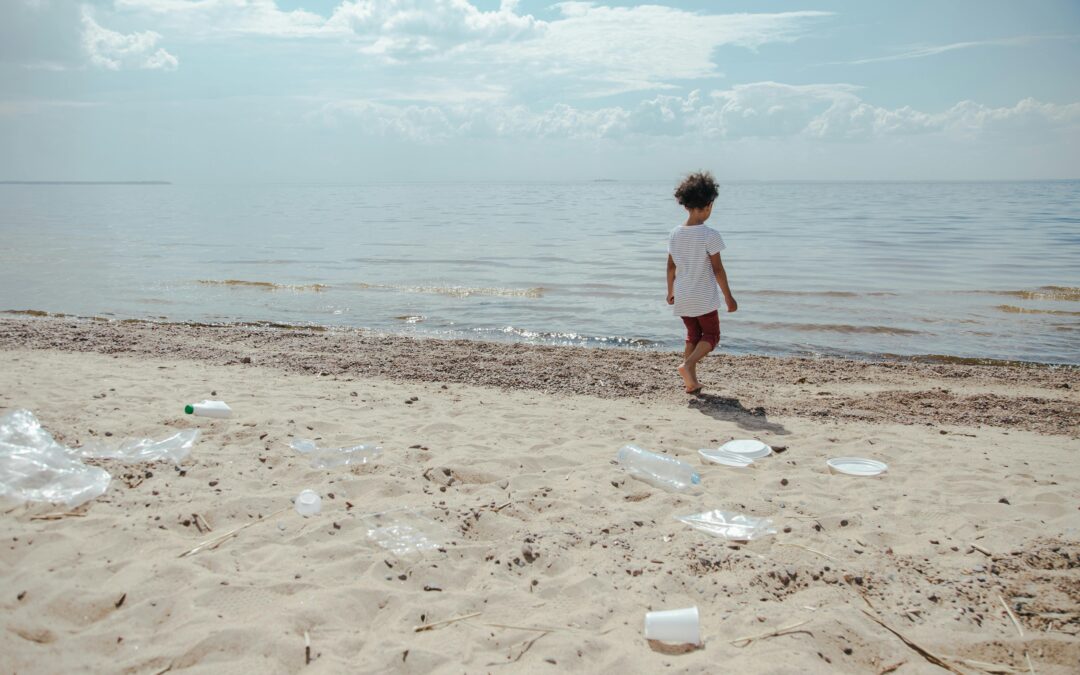
The Current State of Plastic Pollution
Oceans: A Plastic-Infested Frontier
The oceans, vast and full of life, are now filled with plastic waste. This pollution harms marine biodiversity and human health. We see wildlife trapped in plastic and find plastic particles in fish. These are grim reminders that we are all connected and must act urgently. Cleaning up our oceans has begun, but we need a global effort to reduce plastic use and improve waste management.
Rivers: The Pathways of Pollution
Rivers, vital to ecosystems and human societies, now carry plastic waste to the oceans. Plastic bottles and bags in rivers are not just unsightly; they signal a deeper environmental crisis. This affects freshwater species and our drinking water. We need comprehensive waste management solutions for both cities and rural areas. Public awareness and better infrastructure are key to cleaner rivers.
Land: The Unseen Burden
Landfills are monuments to our consumption, filled with plastic waste. They symbolize our disconnect from sustainability. Unlike eco-friendly burial practices, our careless disposal of plastic shows little respect for the planet. We must reduce plastic production and consumption to ease landfill pressure and promote ecological balance.
Innovative Solutions to the Plastic Crisis
Advancements in Plastic Recycling
The recycling industry is innovating to make plastic use more sustainable. New chemical recycling methods break down plastics for reuse. Community recycling programs support local economies. These efforts aim for a circular economy, reducing plastic waste and promoting sustainable growth.
The Rise of Bio-Plastics
Bio-plastics, made from biological sources, offer hope against pollution. They degrade more efficiently and safely. Yet, their market success depends on composting facilities and consumer acceptance. As research advances, bio-plastics could replace conventional plastics in many uses.
Microbial Degradation: Nature’s Solution
Scientists have found microbes that eat plastic. These could help clean polluted environments by breaking down plastics like polyethylene. While there are challenges to using these microbes widely, they could significantly reduce plastic waste.
The Role of Technology in Combating Plastic Pollution
As we delve into the plastic pollution crisis, it’s crucial to recognize the role of technology in both contributing to and solving this issue. Innovations in technology have led to the mass production of plastics, which has facilitated convenience in our daily lives but at a significant environmental cost. However, technology also offers us powerful tools to combat this pollution. From apps that help consumers make more sustainable choices to drones that can map and collect plastic waste in remote areas, technology is at the forefront of the fight against plastic pollution. Moreover, advancements in material science are leading to the creation of new types of plastics that are designed to be more easily recyclable or biodegradable.
Smart Packaging: Reducing Waste at the Source
One of the most promising technological advancements is the development of smart packaging. This type of packaging uses materials that can change color to indicate the freshness of food, which can help reduce food and packaging waste. Smart packaging also includes the use of QR codes and other digital tools to provide consumers with information about recycling or the environmental impact of the product. By integrating technology into packaging, we can significantly reduce the amount of plastic that ends up in landfills and the environment.
Cleaning Our Oceans with Technology
Innovative projects like The Ocean Cleanup are using technology to remove plastics from the oceans on a large scale. This non-profit organization has developed a system that uses natural oceanic forces to collect and concentrate plastic waste, which can then be removed and recycled. Such technological solutions are vital for addressing the vast amounts of plastic that have already accumulated in our oceans and preventing further pollution.
Enhancing Recycling with Artificial Intelligence
Artificial intelligence (AI) is revolutionizing the recycling industry. AI-powered sorting systems can identify and separate different types of plastics at a speed and accuracy that humans cannot match. This increases the efficiency of recycling plants and ensures that more plastic is recycled correctly, reducing contamination and increasing the overall rate of recycling.
By embracing these technological solutions, we can make significant strides in reducing plastic pollution. However, technology alone is not enough. It must be combined with legislative efforts, corporate responsibility, and individual action to create a comprehensive approach to solving the plastic crisis.
Legislative Efforts Worldwide
The Global Response to Plastic Pollution
Countries worldwide are passing laws to reduce plastic waste. The European Union has a detailed strategy, and some countries ban single-use plastics. These laws aim to cut plastic production and encourage sustainable alternatives.
Encouraging Responsible Production
Extended Producer Responsibility (EPR) policies make companies accountable for their products’ end-of-life. This encourages sustainable, recyclable product design. EPR is a step towards reducing the environmental impact of goods.
Promoting Eco-Friendly Death Care
Laws now support green funeral options, like natural burials. This shows a growing awareness of traditional funerals’ environmental impact. These laws offer sustainable choices and signal a shift towards environmental consciousness in all life aspects.
The Power of Individual Action
Making Sustainable Choices
While it’s true that the individual has a far smaller impact on the environment than larger companies, it’s not true that individual actions can’t contribute to the solution. Every purchase can help build a sustainable future. Choosing products with less packaging, supporting green companies, and advocating for eco-friendly policies can drive industry change. Every action can have an impact if we choose and are able to contribute to the future of our planet. Together, these actions can lead to more sustainable practices.
Community Engagement and Education
Local movements and education are key to fighting plastic pollution. Community clean-ups, sustainable policy advocacy, and teaching others about reducing plastic use can create a culture of environmental care. These actions are essential for systemic change.
The Importance of Voting and Advocacy
Voting and advocacy are powerful for environmental change. Supporting sustainable policies and holding companies accountable can shape politics and business. Active democratic participation is crucial for addressing the plastic crisis.
Final Thoughts
The plastic problem is complex, but we can address it together. With new solutions, laws, and personal commitment to sustainability, we can face this challenge. By changing our relationship with plastic and choosing sustainability, we protect the planet for the future. The path to a plastic-free world is long, but with determination and teamwork, it’s possible.