Most people who start pre-planning a natural burial expect paperwork. What they find instead is a set of decisions that feel personal, grounded, and far more specific than they anticipated. Pre-planning a natural burial asks you to think about the land, the vessel, the section, and what you want the site to look like for the people who visit after you are gone. Those are not administrative questions. They are real ones, and they are worth answering while you have time to think clearly.
What Does Pre-Planning a Natural Burial Actually Require?
Natural burial moves differently from conventional burial planning. There are no casket showrooms, no embalming consultations, and no monument selections. The decisions are fewer, but each one carries more weight because the choices are yours to make without a sales structure built around them.
The Decisions That Belong to You
The first question is burial type. Full-body natural burial and the placement of cremated remains are both available at certified natural cemeteries, and each comes with its own set of guidelines. For full-body burial, the body is placed in a biodegradable shroud or vessel made from materials like cotton, wool, or wicker. For cremated remains, the urn must be biodegradable and sized within the cemetery’s specifications.
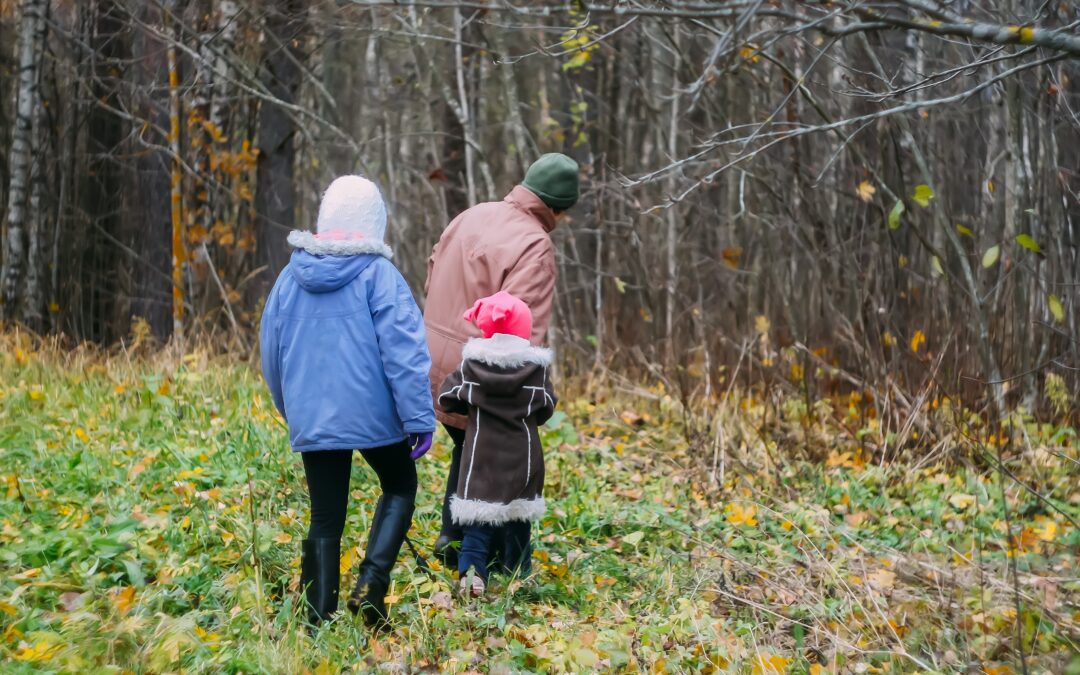
Location within the cemetery is the second decision. Most natural burial grounds have distinct sections: open meadows, wooded hillsides, and areas near streams or wetlands. Families walk the land and choose the section that feels right. At Serenity Ridge, families are guided through the meadow and wooded sections and given time to stand in each before making a choice. Some know within minutes. Others take weeks. Both responses are normal.
The remaining decisions include:
- Whether to place a natural stone marker or rely on GPS coordinates alone
- Which biodegradable vessel or shroud best fits your values and the cemetery’s standards
- Whether you want a graveside service or a private placement without a formal gathering
- Who holds the documentation after pre-planning is complete
What the Cemetery Handles
Once the family’s choices are recorded, the cemetery manages the legal and logistical work. At Serenity Ridge, that includes burial permits, compliance with Maryland burial law, placement logistics, and the Certificate of Interment that records GPS coordinates for every site. The land itself sits under a permanent conservation easement, which means the protection of the property is written into the legal structure of the land, not dependent on a future owner’s good intentions.
How Far in Advance Should You Pre-Plan a Natural Burial?
The honest answer is earlier than most people expect. Natural burial cemeteries manage finite land, and specific sections within that land fill over time. Pre-planning locks in your chosen location before availability changes. At many certified cemeteries, pricing also locks in at the time of arrangement, removing one of the more stressful variables from the conversation your family will eventually need to have.
Why Timing Matters More Than People Expect
Grief compresses decision-making. Families arranging a burial in the days after a death are not in the best position to compare sections, ask detailed questions about vessel requirements, or evaluate whether the land has long-term conservation protection. Pre-planning removes all of those decisions from that window, so the family arrives at the cemetery already knowing where their loved one will rest, what the site looks like, and who to call.
There is also a practical reality about land scarcity. Unlike conventional cemetery sections, natural burial plots are not manufactured. Each section is drawn from an existing preserve with a fixed capacity, and once a section fills, it closes. Families who pre-plan at Serenity Ridge secure their section before availability shifts.
What a Pre-Planning Visit Looks Like at Serenity Ridge
A pre-planning visit at Serenity Ridge begins with a guided tour of the grounds. Staff walks families through the valley sections and the wooded areas, explaining the character of each. You see where cremated remains are placed among the grasses. In the wooded burial zones, standing under the tree canopy, families find that questions arise naturally, and staff answers them directly.
No obligation is attached to the visit. Some families tour the grounds and schedule a follow-up appointment weeks later. Others complete paperwork the same day. The pace belongs to the family, not the calendar.
What Are the Key Questions to Ask Before Choosing a Natural Cemetery?
Not all cemeteries that market themselves as green hold the same standards. Asking the right questions before choosing a site protects your family from discovering mismatches after arrangements are already made.
Questions About the Land’s Long-Term Protection
The most important question is whether the cemetery operates under a conservation easement or similar legal protection. Without one, the land’s future depends on whoever owns it next. A conservation easement removes that uncertainty by permanently restricting development, regardless of ownership changes.
Ask these questions directly:
- Does a conservation easement protect this land?
- What organization holds the easement and enforces it?
- What restrictions does the easement place on future use of the property?
Serenity Ridge operates under a permanent conservation easement and borders Patapsco State Park, situating the 45 acres of burial land within a corridor of protected land that extends well beyond the cemetery’s own boundaries.
Questions About Certification and Compliance
Green Burial Council certification means the cemetery has been evaluated against documented standards for environmental practice, pricing transparency, and family communication. Not every cemetery claiming to offer natural burial holds this certification.
Before choosing a site, confirm:
- Whether the cemetery holds active Green Burial Council certification
- Which vessel and shroud materials meet the cemetery’s standards
- Whether the cemetery complies with Maryland’s specific burial statutes
Maryland law permits natural burial for both full-body interments and cremated remains. Serenity Ridge holds a cemetery license from the State of Maryland and maintains compliance with all state regulations on burial depth, recordkeeping, and land use.
How Do You Document and Communicate a Natural Burial Pre-Plan?
Completing a pre-plan without communicating it to the right people leaves the arrangement incomplete. The documentation matters, and so does the handoff.
What to Record and Where to Keep It
A complete pre-plan includes a written record of the chosen burial section, the burial type, the vessel or shroud selection, and any preferences for the graveside service or private placement. The cemetery holds a copy on file. A second copy should be kept somewhere the executor or a trusted family member can readily access.
Keep these items together:
- The pre-arrangement agreement from the cemetery
- The Certificate of Pre-Arrangement, if issued
- Contact information for the cemetery’s staff and the assigned funeral home or green funeral director
- A written note of the GPS coordinates or section designation for the chosen site
How Serenity Ridge Supports the Handoff
Serenity Ridge works directly with families and with green funeral homes across Maryland. Pre-planning records stay on file with the cemetery. Staff are available to walk families through the documentation at any stage. When the time comes, the transition from pre-plan to burial follows a clear process without the family needing to reconstruct decisions under pressure.
Scheduling a guided tour is the first step. You see the land, ask your questions, and leave with a clear picture of what pre-planning at Serenity Ridge involves. Tours are available by appointment at 2406 Ridge Road, Windsor Mill, MD 21244. Contact the team at 240-NATURAL or natural@serenityridgemd.com to schedule.