Facing decisions about final arrangements for a loved one is one of the most tender and complex times in life. While it’s natural to seek clear pricing, the reality is that the financial path forward is rarely straightforward.
To put it simply: if you are considering the costs of green burial, cremation, or a traditional casket-based service, you will find that each path comes with its own set of unexpected variables, carries significant emotional weight, and is shaped by regional pricing differences.
Choosing between a natural burial, cremation, or a traditional service means grappling with much more than just the dollar amount. You are also defining what value truly means to your family, what legacy you wish to leave behind, and what level of practical and emotional challenge will land on your loved ones during a time of grief. This guide is here to gently walk you through the real numbers, the necessary logic, and the essential questions worth asking to help you find peace in your choice.
Why the Cost Conversation Can Feel So Overwhelming
Most families naturally focus on one final number when making a decision. However, that number rarely captures the full picture: the site, the necessary materials, the service fees, and the legal requirements.
- The National Funeral Directors Association reports the median cost of a traditional funeral with viewing and burial in the U.S. was approximately $8,300 in 2023.
- A funeral service that includes cremation averages around $6,280, nationwide.
- A funeral service at a natural burial cemetery averages around $4,600 nationwide.
Because you are carefully weighing green burial, cremation, and casket-based options, it helps to see how each component stacks up. Think of this as comparing three distinct paths: all leading to a final resting place, but each involving different services, resources, and potential for hidden fees.
What Exactly Does a Natural Burial Include?
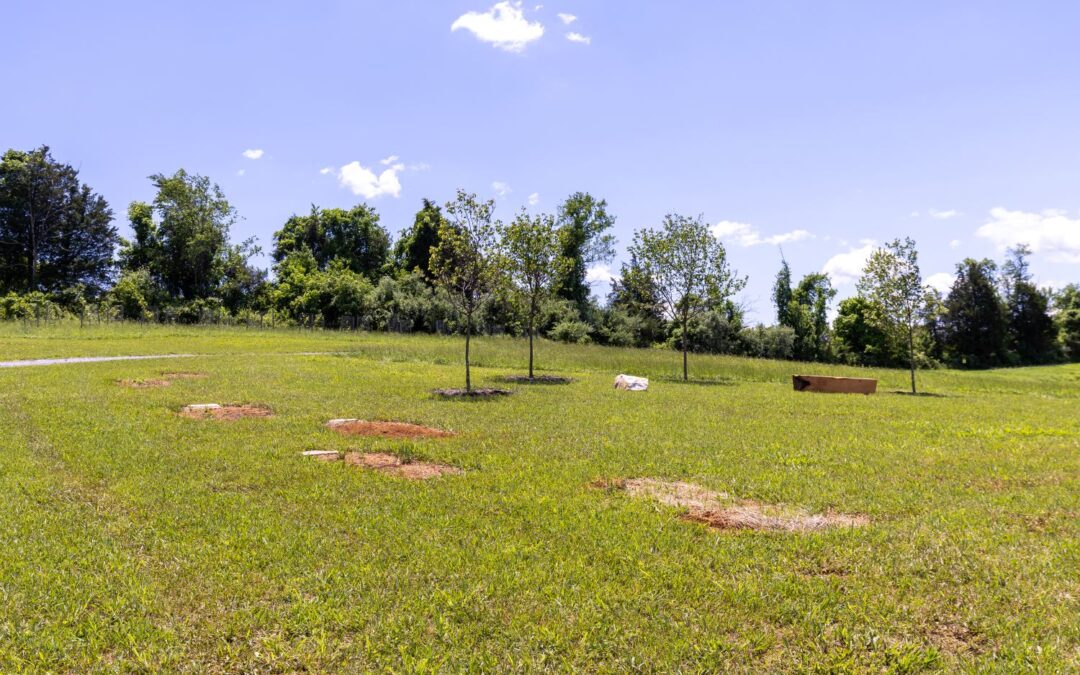
To truly understand the cost, we must first look at what each option physically and spiritually encompasses, starting with the eco-conscious choice: Natural Burial. Green burial refers to interment in a natural setting with minimal environmental footprint: no embalming or vaults, biodegradable container or shroud, and land managed in an eco-conscious way.
Here are typical cost components for a green burial:
- A burial plot in a natural cemetery or conservation land
- Opening and closing of the grave, often by hand
- A biodegradable shroud or simple casket
- Minimal or no embalming
Cost estimates vary by region. According to several sources, U.S. green burial costs typically range from $1,000 to $4,000. One study places the average closer to $3,500 to $4,000, depending on location and conservation practices.
What drives variability? Location (urban versus rural), whether the cemetery is dedicated to natural burial, land-conservation fees, and whether you include a ceremony or not.
How Much Does Cremation Really Cost Start to Finish?
If you quote only the cremation itself, you miss what people really pay. The national median for a cremation with a memorial service is around $6,280.
However, for a direct cremation with no viewing or ceremony, most families spend between $1,000 and $3,000.
Additional costs may include:
- An urn or ashes container
- Transport and permits
- Viewing or ceremony at a separate location
- Burial or scattering site fees
In some cases, cremation appears cheaper on the surface but becomes costly with added services. That’s why transparency and clear itemization matter.
Casket Burial Costs Add Up Faster Than Most Expect
Traditional burial with a casket is typically the most expensive option. Consider the individual pieces: the casket itself, embalming, grave liner or vault, headstone, burial plot, and service.
On average, a traditional burial costs between $7,000 and $12,000. That figure can increase significantly depending on casket selection and cemetery location.
Visual presentation, family expectations, and regional customs can all shape these costs. When families don’t question line items, they often spend more than they planned.
Why Do Green Burials Sometimes Cost More Than Cremation?
If natural burial is simpler, why can its cost sometimes exceed the cost of cremation? The answer lies in the value we place on long-term stewardship.
- Conservation land and stewardship fees: These fees ensure the land is preserved and managed for the long term.
- Fewer green cemeteries, reducing competition: The limited number can reduce price competition.
- Lower economies of scale compared to industrial cremation providers: Green burial often involves more manual, personalized services, contrasting with the high-volume nature of industrial cremation providers.
- Higher value placed on ecological or legacy outcomes: The cost reflects the commitment to environmental preservation or a specific legacy outcome.
This isn’t a sign of price gouging. It reflects the added cost of preserving land, offering more manual and personal services, and staying outside mainstream funeral economics.
What Are Families Really Paying For?
Beyond the individual fees, the true heart of this decision is understanding. Families are often paying not just for disposition, but for meaning, memory, and impact.
Choosing green burial may mean skipping ornate features but paying for long-term land preservation or simpler, intentional rituals. Cremation might appeal for flexibility and lower stress. Traditional burial may offer familiarity or satisfy family customs.
The decision is rarely about price alone. The emotional return matters. Some families find comfort in nature, others in ceremony. Ask what matters most.
Which Option Offers the Most Transparent Pricing?
Immediate Answer: Providers of green burial often show clearer, all-inclusive pricing than traditional funeral homes.
Under the Federal Trade Commission’s Funeral Rule, funeral homes must provide itemized price lists. But enforcement is weak, and many still bundle or obscure fees.
Natural burial providers, particularly conservation cemeteries, tend to post full package pricing that includes everything: plot, service, and materials. This reduces guesswork and up-selling pressure.
Smart Cost Questions to Ask Before You Choose
Bring these five questions to any burial provider:
- Is the quoted price truly all-inclusive?
- Are there any required or recommended extras I should know about?
- Can I provide my own burial container or urn?
- Are ongoing maintenance or preservation fees included?
- What services are optional, and which are legally required?
The answers will help you cut through confusion and avoid emotional overspending.
Cost Comparison Table: Natural Burial vs Cremation vs Casket Burial
| Option | Typical Cost Range | Transparency & Value |
|---|---|---|
| Green Burial | ~$1,000 – $4,000 | Clear pricing, conservation value |
| Cremation (with service) | ~$2,000 – $6,500 | Flexible, moderate cost, some hidden fees |
| Traditional Burial | ~$7,000 – $12,000+ | Many variables, the highest overall cost |
Remember, this isn’t just about numbers. It’s about how those numbers align with what you want your goodbye to mean.
Frequently Asked Questions
Is a green burial more environmentally friendly than cremation?
Yes. Green burial avoids embalming chemicals, energy use, and concrete materials. Cremation may produce carbon emissions and air pollutants, though still less than conventional burial.
Are natural burial sites legally protected from future development?
In many cases, yes. Some are protected under conservation easements, but not all. Ask for documentation if this matters to your values.
Can I pre-pay or pre-plan a natural burial?
Yes. Most green burial providers offer pre-need planning and payment. This helps lock in pricing and reduce stress for family members later.
What paperwork or permits are required for a green burial?
You’ll typically need a death certificate, burial transit permit, and interment authorization. Local laws vary, so ask your provider early.