In Maryland, more families are reconsidering traditional funeral routines and thinking about resting places that reflect values rather than simply follow habit. A daughter sits at her kitchen table, pen poised, trying to honor her father’s wish for something simple, something natural. When she starts making calls, however, she hears conflicting information about vaults and permits and feels lost. When you are examining natural burial laws in Maryland and what families should know, you’ll find more than just choice – you’ll encounter regulations, timelines, and decisions that benefit from early planning.
Defining Natural or Green Burial in Maryland
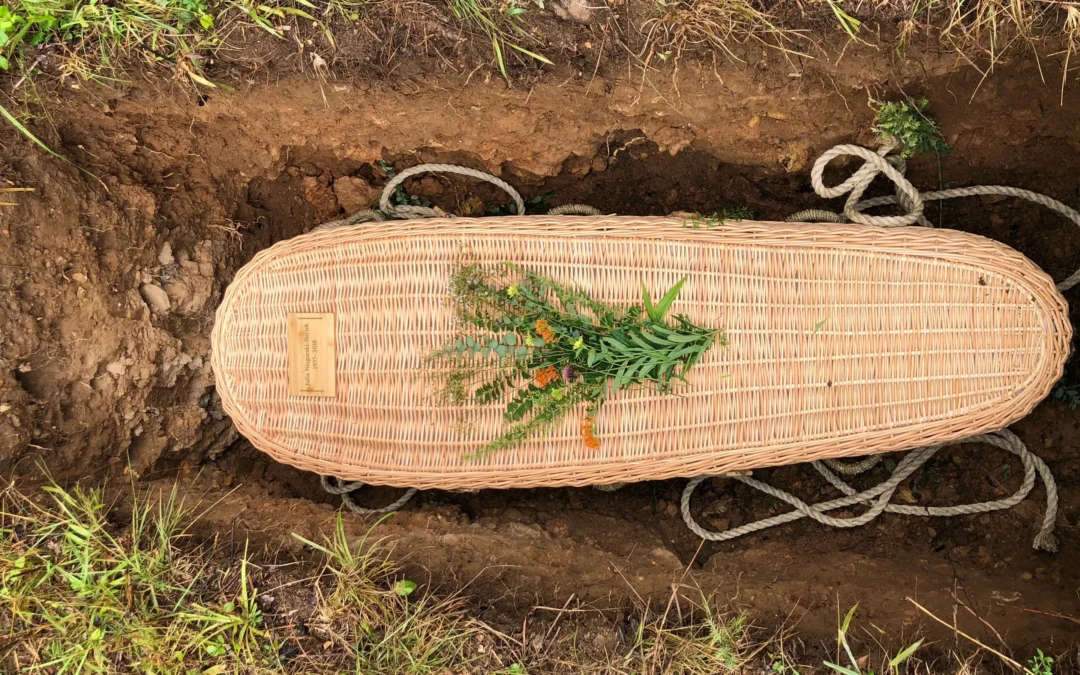
Natural burial means allowing the deceased to return to the earth with minimal chemical or artificial intervention. In Maryland, that often translates to avoiding embalming, foregoing vaults or liners, and using shrouds or biodegradable caskets. According to the Green Burial Association of Maryland, “no Maryland law requires vaults or liners,” and embalming is likewise not legally required.
There’s a subtle distinction to make: “natural burial” focuses on simple disposal, while “conservation burial” pairs the burial with land restoration or habitat preservation. An informed family should ask which type they are choosing since the offerings and cost may differ.
What Legal Rules Govern Natural Burial in Maryland?
Required permits and documentation
Every interment in Maryland begins with paperwork. The state mandates a death certificate and a burial transit permit before final disposition. Embalming is not required by law in Maryland.
Using private property or nontraditional sites?
Yes, private‑land burial is possible—but the plot must align with zoning, environmental, and local rules. The Maryland Real Property Code § 14‑121 defines “burial site” broadly and includes access rights for persons in interest.
Meanwhile, county‑level rules may apply, especially if the land has not been previously used as a cemetery.
Emerging eco‑friendly options are now legal
Maryland law is evolving to support greener end‑of‑life options. While not strictly classical burial, this change signals growing flexibility for families seeking alternatives.
What Should Families Verify Before Choosing a Burial Site
Choosing a site is more than selecting land—it’s aligning with practical, emotional, and legal realities. Key questions to ask:
- Does the cemetery truly allow no vaults or liners?
- Can you use a simple shroud, or must you buy an expensive casket?
- Are headstones or markers required, or may you choose something simple or none at all?
- How is the land managed long‑term: restored meadow, native trees, or a manicured lawn?
- What are the total costs when you include services, land, materials, and long‑term maintenance?
Taking one real‑world example: A Maryland family assumed green burial meant skipping the vault. At the eleventh hour, they learned the cemetery did still require a concrete liner, and the surprise cost hit them during grief. Obtaining all rules in writing avoids that kind of stress.
Why Do Many Families Remain Confused by Natural Burial?
The idea of returning to the earth feels straightforward. The reality is more complex. Many funeral directors and cemeteries still operate under traditional paradigms—vaults, heavy caskets, embalming—even though the law has shifted.
“Do we really need a vault or liner?”
No. The law in Maryland prohibits requiring liners or vaults under state statute, though many cemeteries maintain them for landscaping or appearance.
“Is embalming required for viewing my loved one?”
No. Embalming is not legally required in Maryland. But some providers may say it is mandatory for public viewing to protect their schedule. It is wise to ask explicitly whether you can decline embalming and still hold a meaningful service.
Bringing this back to the narrative: Families feel confusion because the policy on paper and the practices on the ground don’t always match. That gap between expectation and practice creates tension—and that is where having clarity ahead of time matters.
What Questions Should Maryland Families Ask First?
Putting the pieces together means asking focused questions. Here are high‑value questions to open the conversation:
- Who will file the death certificate and burial transit permit, and when will that occur?
- Can we pre‑purchase the burial plot under our terms and in writing?
- What is included in the full cost (land, services, materials, maintenance) versus optional extras?
- Does the site allow the type of materials we prefer (shroud vs wooden casket, marker vs tree)?
- Have we communicated our wishes to the family, executor or designated person so there is no confusion at the time of need?
Having those answers ahead of the moment of loss means your family is more empowered, less rushed, and more likely to act in alignment with your values.
A Practical Checklist for Maryland Families
Here is a short checklist you can use right away:
- Choose a burial ground that explicitly supports natural or green burial in policy and practice.
- Request written policies on materials, vaults, liners, markers, and maintenance.
- Make sure legal documents (death certificate, burial transit permit) are explained upfront.
- Visit the burial site ahead of time to see what it feels like in person.
- Record your wishes in writing and share them with loved ones or your executor.
Taking these five steps builds confidence and removes ambiguity when emotions run high.
Why More Maryland Families Are Choosing Natural Burial Now
This shift is not about trend—it reflects a deeper change in values and regulation. As Maryland law modernizes and eco‑conscious options gain acceptance, more families are aligning end‑of‑life plans with personal beliefs and environmental responsibility. Burial becomes less about ritual alone and more about meaning, memory, and legacy. Early planning gives you control and clarity, so when the time comes, the focus can be on remembrance, not logistics.
Final Thoughts for Families Making the Decision
Natural burial offers a meaningful path in Maryland. Yet the value lies in understanding the process just as much as the idea. Planning ahead, reviewing each cemetery’s rules, and communicating with your loved ones makes a powerful difference. When you match your values with clear decisions and documented wishes, your family will feel supported. That allows the farewell to honor life rather than get lost in paperwork.