Death is never easy, but the way we say goodbye can be healing—not just for us, but for the planet. Traditional funerals, while familiar, often rely on materials and practices that strain the earth: metal caskets, toxic embalming chemicals, and concrete vaults that interrupt the natural cycle of life. More families are now choosing meaningful, sustainable alternatives. Green burial options that honor loved ones and the earth offer a return to simplicity, authenticity, and ecological integrity.
What Is a Green Burial, Really?
Green burial represents a shift in how we relate to both death and nature. At its core, it eliminates many conventional elements that harm the environment:
- No embalming or synthetic chemicals
- Biodegradable caskets or shrouds
- Graves designed for natural decomposition
Rather than preserving the body artificially, green burial supports a return to the earth—rejoining the natural cycle of life.
Why Families Are Choosing This Path
Grief often sharpens our understanding of what matters. Many who choose Serenity Ridge do so with intention, seeking an option aligned with values of sustainability, spirituality, and legacy.
The movement continues to grow due to:
- Environmental Stewardship: Conventional burials in the U.S. use over 800,000 gallons of formaldehyde annually
- Living by Belief: Whether spiritual or secular, families appreciate a choice that reflects how their loved one lived.
- Financial Simplicity: Green burials often exclude costly features like vaults or elaborate caskets, reducing total expenses.
- Lasting Legacy: Families take comfort in leaving behind protected land and healthier ecosystems.
Choosing Natural Burial Sites
Many green burial grounds across the U.S. are certified by ecological and conservation organizations. These cemeteries often preserve native landscapes, prohibit harmful chemicals, and allow for natural burial methods.
Some may:
- Use GPS coordinates or natural stone markers instead of headstones
- Support wildlife corridors or reforestation efforts
- Operate under land trusts to guarantee future conservation
The burial ground itself becomes a place of renewal, not just remembrance.
Burial Shrouds and Caskets That Breathe With the Earth
Many traditional funeral materials resist decomposition. Green burial, however, invites natural processes to do their work.
Eco-friendly options include:
- Woven caskets made from willow, seagrass, or bamboo
- Unfinished pine boxes free of varnish and hardware
- Organic burial shrouds of cotton, linen, or wool
These materials decompose gracefully, allowing the body to nourish the surrounding soil and plant life
A Ceremony Rooted in Meaning, Not Formality
One of the most meaningful aspects of a green burial is the flexibility it offers families. Without the constraints of a formal funeral industry structure, ceremonies can be deeply personal.
Families may choose to:
- Hold the service outdoors under trees or near a meadow
- Invite loved ones to participate in carrying the casket or filling the grave
- Integrate cultural or spiritual practices that feel authentic
This freedom allows grief and healing to unfold naturally.
Conservation Burial: A Step Further
Green burial and conservation burial are related, but not identical. Conservation burial includes all the principles of green burial and adds a commitment to land preservation.
- Strategic grave placement avoids fragile habitats
- Fees support conservation work on protected lands
- Restoration efforts help maintain native plant and animal populations
This approach means each burial supports a living, breathing ecosystem.
A Living Memorial That Grows With Time
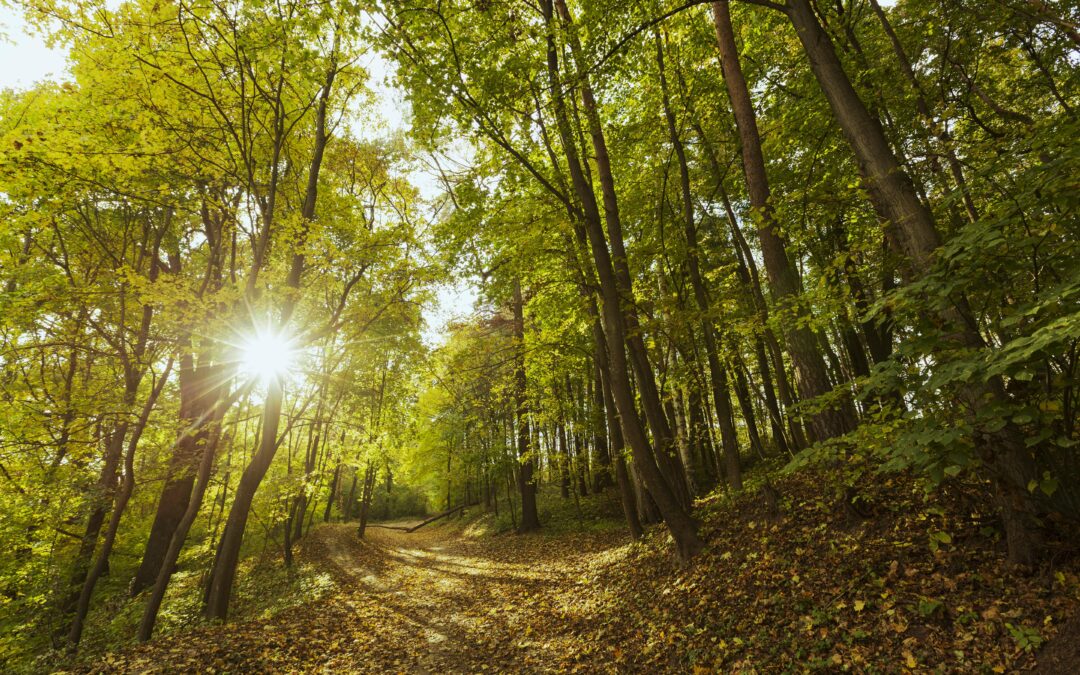
Green burial creates a place that changes with the seasons. Families return not to sterile rows but to meadows alive with life:
- Butterflies among milkweed and goldenrod
- Saplings growing tall where loved ones were laid to rest
- Birdsong echoing through the trees at sunrise
These landscapes tell stories that continue long after burial.
Choosing What Aligns With the Heart
Choosing a burial method is deeply personal. Green burial options that honor loved ones and the earth are about more than sustainability—they’re about intention. They allow a person’s last act to mirror the way they lived: with care, with purpose, and with love for what comes next.
Whether in a conservation cemetery or a simple natural grave, this approach offers a way to say goodbye that heals both heart and land.