
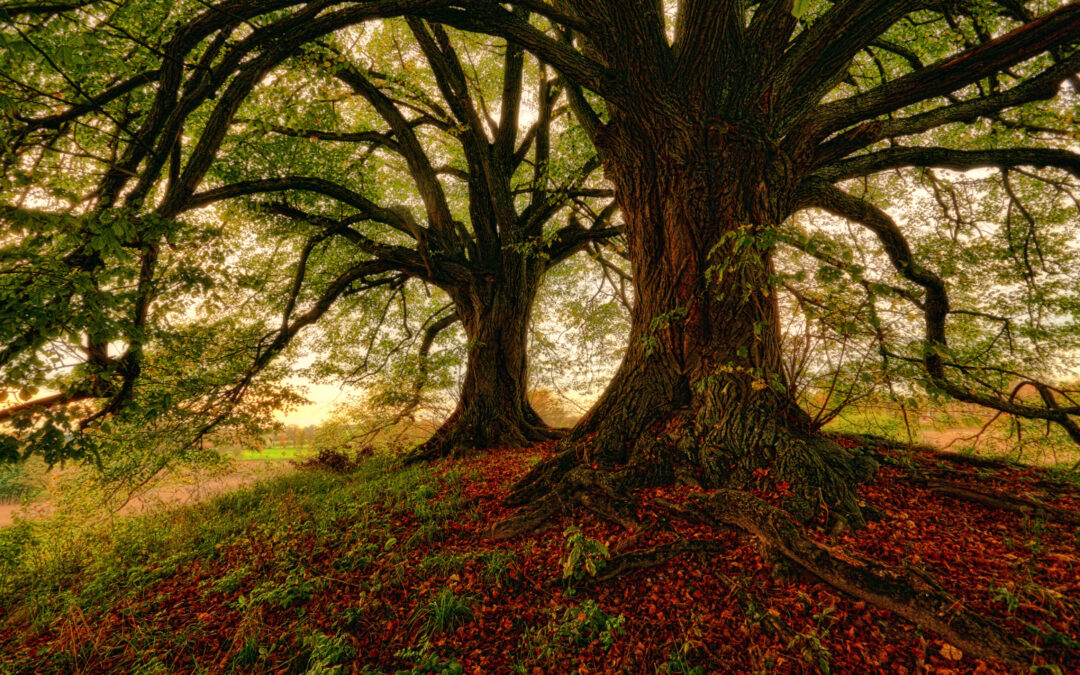
A quiet grove can feel like a presence. Understanding the Concept of Memory Trees begins with that feeling. A tree planted in memory takes root where love still lives. Its branches carry songbirds, its roots hold the soil, and its growth mirrors the rhythms of remembrance.
What is a memory tree?
A memory tree is a living tree planted to honor someone who has died. Families often choose them for natural burial cemeteries, memorial groves, or conservation lands. Unlike stone markers, trees change with the seasons, offering a sense that memory is alive. They also serve the environment, capturing carbon, cleaning water, and sheltering wildlife.
Anthropologist Dr. Hannah Rumble explains, “Natural or woodland burial appeals to people of all faiths and none.” Her observation reflects why memory trees resonate across traditions.
Why are memory trees gaining attention?
Interest in green funeral choices has grown sharply. The National Funeral Directors Association reports that 68 percent of Americans want green funeral options, compared with 56 percent in 2021. In a 2024 national survey, 18 percent selected tree pod burial among alternatives, and in 2025, 16 percent said natural burial was their preferred funeral type.
The growth of cemeteries reflects this change. The Green Burial Council estimates there are now 470 green burial cemeteries in the United States and Canada. Memory trees fit into this shift by offering memorials that are personal, ecological, and enduring.
How do memory trees connect to natural burial?
Natural burial avoids embalming chemicals, metal vaults, and tall monuments. The emphasis is on a gentle return to the soil and renewal of the land. Memory trees extend this philosophy. Instead of a headstone, a sapling grows, adding beauty and ecological value.
A review by Applied Soil Ecology concludes that natural burials can enrich soil biodiversity and increase carbon storage, especially when paired with habitat restoration. Memory trees embody this principle, providing living memorials that restore ground while holding memory.
Are memory trees practical?
Yes, when well planned. Cemeteries that offer them usually set guidelines. Families are asked to choose from native species and plant in zones suited for long-term growth. At Greensprings Natural Cemetery Preserve in New York, for example, every grave is recorded with GPS coordinates. Families can return to a precise spot without the need for tall headstones.
Serenity Ridge in Maryland takes a similar approach. Families do not plant directly on graves but may join in volunteer planting events, ensuring that trees serve both memory and the health of the preserve.
Practical questions to ask include:
-
Which species are permitted and suited to the soil
-
How will the site be mapped for future visits
-
Who will tend the tree during its first years
Which species thrive in Maryland?
Native trees are best suited for memory plantings. Common choices include:
-
White oak or black gum for longevity and habitat value
-
Serviceberry for spring blossoms and fruit that feed birds
-
River birch for wetter soils
-
Eastern redbud for small plots and seasonal color
Cemeteries often provide species lists to ensure trees match soil, water, and light conditions while strengthening local biodiversity.
What do real sites show about memory trees?
Greensprings Natural Cemetery Preserve, New York
Greensprings spans 130 acres of meadows and woodlands, bordered by thousands of acres of protected land. The preserve maintains an approved plant list and uses flat stones or GPS mapping to guide families.
Kokosing Nature Preserve, Ohio
On 23 acres of restored prairie and forest, Kokosing blends low markers with survey coordinates to keep the grounds open while still precise. Its link to Kenyon College ensures land stewardship through academic partnership.
Both sites show that memory trees can thrive as part of managed burial landscapes, where planning balances remembrance and ecological care.
Do memory trees help the environment?
Yes. Trees store carbon, intercept rainwater, and provide food and shelter for wildlife. When planted in natural burial grounds, they add measurable ecological benefits. The Applied Soil Ecology review highlights gains in soil health from natural burials, and memory trees multiply those benefits by continuing to grow.
The Green Burial Council emphasizes that hundreds of sites now practice this form of remembrance, showing its growing role in ecological care.
How can families decide if a memory tree is right for them?
Families often start with these questions:
-
Do we want the tree planted at the grave or in a shared grove
-
Which species holds meaning and fits the land
-
How will we return and find the site years from now
-
Who will tend the tree during its early years
For some, a single tree brings intimacy. For others, a grove offers community. The best choice is the one that respects both the memory and the place.
What role do markers and mapping play?
Markers in natural cemeteries remain low. Fieldstones, plaques, or posts are common. Digital mapping and GPS records often complement these, allowing precise location without altering the open setting. At Greensprings, GPS coordinates are available for every grave, making visits reliable without disrupting the view.
Where grief meets growth
Grief is not still, and neither is a tree. A sapling becomes shade, then color, then shelter. Families often find comfort in these cycles. As one conservation biologist observes, “Trees planted in memory do more than commemorate. They restore soil, support pollinators, and help build resilience in the landscape.”
A memory tree does not erase loss. It shapes it into something living, rooted, and lasting.
FAQs
Are memory trees permanent?
Trees can live for decades or centuries. Cemeteries often have replanting plans if a tree does not survive.
Can ashes be buried under a memory tree?
Yes, many cemeteries allow biodegradable urns to be placed beneath trees.
Can I plant a memory tree at home?
Yes, though zoning and care responsibilities fall to the family. Cemeteries provide long-term stewardship.
How much does a memory tree cost?
Costs vary. Some cemeteries include trees in fees, others treat them as a separate program.
Are memory trees allowed everywhere?
Not all cemeteries allow trees. Natural burial grounds are more likely to include them.
What if the tree dies?
Most cemeteries will replant during the early years if a tree fails to establish.