The cost of saying farewell often surprises families, yet many still hope to honor loved ones without creating a heavy financial burden. With burial expenses sometimes exceeding what feels manageable, more people are questioning traditional approaches to end-of-life care. The search for cost-effective burial without compromising dignity is bringing new possibilities to light—alternatives that respect both the deceased and the family, all while prioritizing what truly matters.
Redefining Dignity in Burial
For generations, the idea of a dignified burial has been shaped by custom and convention—polished caskets, formal ceremonies, elaborate memorials. In reality, dignity is rooted in authenticity, care, and personal values rather than cost or spectacle. As families rethink their priorities, many find that simple, heartfelt ceremonies align more closely with their sense of honor and remembrance.
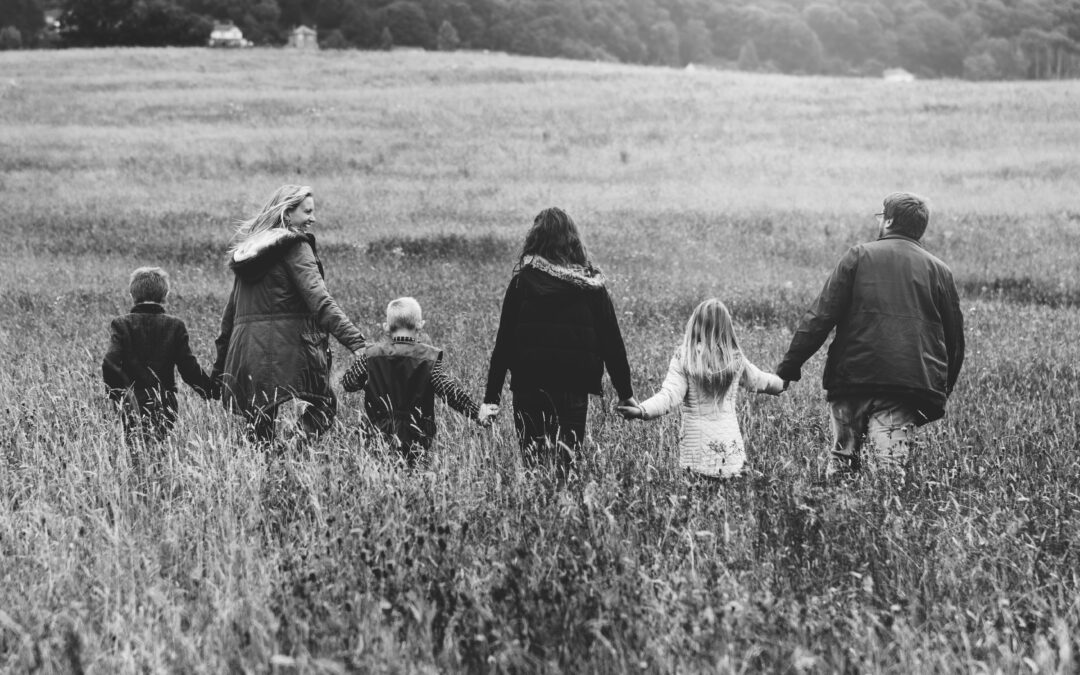
Natural settings, like meadows or forests, often provide an atmosphere of peace and authenticity. Families who choose these settings find comfort in personal rituals and genuine moments of connection, rather than formalities that may not resonate. The opportunity to create a farewell that reflects the character and wishes of the individual can feel far more meaningful than following a set script or purchasing expensive materials.
Traditional Burial Costs: A Closer Look
Conventional funerals include a wide range of services—embalming, metal caskets, concrete vaults, transportation, flowers, and extended use of funeral home facilities. These elements, though presented as standard, often represent established routines rather than individual preference. The cumulative price tag can quickly surpass $8,000, according to the National Funeral Directors Association, creating financial stress at an already emotional time.
This financial reality is driving a shift in perspective. Many families begin by considering what each line item truly contributes. Is an ornate casket necessary, or does a simpler, biodegradable option better reflect the values of the departed? Is a large, formal gathering the most meaningful way to remember a loved one, or does a more intimate ceremony allow for deeper connection?
The transparency of alternatives, such as natural burial or direct burial without embalming, allows families to make thoughtful decisions. By eliminating services that feel excessive or impersonal, they reduce costs while ensuring that dignity and respect remain at the center of the process.
Natural Burial: Authenticity and Environmental Stewardship
Natural burial grounds, including those offered by Serenity Ridge and similar sanctuaries, focus on environmentally conscious practices. These sites use biodegradable containers and avoid chemical embalming, allowing the body to return gently to the earth. Graves are dug by hand when possible, and native plants replace conventional headstones, preserving the landscape’s natural character.
Families drawn to this approach often value environmental responsibility alongside authentic remembrance. The setting becomes a living memorial—wildflowers bloom, trees provide shade, and local wildlife flourishes. The absence of industrial materials or ornate structures helps ensure that the farewell feels personal and true to the individual’s spirit.
Beyond environmental benefits, natural burials offer emotional comfort. Participating in simple, hands-on ceremonies, planting native flowers, or gathering in a tranquil meadow can create powerful moments of healing. The burial site becomes a place of beauty and renewal, offering families a lasting connection to both their loved one and the natural world.
Personalizing Farewells Without Financial Strain
Arranging a burial can be overwhelming, especially when trying to balance family wishes, budget, and tradition. A growing number of people are finding reassurance in cost-effective burial options that place meaning above expense. Instead of relying on a fixed set of rituals, families are choosing what feels right for them—private gatherings, personalized ceremonies, and commemorations shaped by memories and values.
For example, some families opt for handwritten notes, meaningful music, or shared stories in place of formal speeches. Others gather for a simple graveside farewell surrounded by wildflowers, finding peace in the environment rather than in ornate markers. By focusing on genuine gestures and connection, these choices create an atmosphere of respect and remembrance without financial hardship.
Conversations about what matters most often reveal creative, heartfelt ways to say goodbye. When families are free to allocate resources to things that hold personal meaning—whether time spent together, charitable donations, or environmental initiatives—they experience a greater sense of closure and gratitude.
The Shift Toward Simplicity and Meaning
As cultural attitudes evolve, interest in natural and cost-conscious burials continues to grow. More families are seeking options that reflect not just financial realities, but also changing ideas about legacy and remembrance. According to research by the Funeral Consumers Alliance, inquiries about affordable and sustainable burial methods have increased substantially in the past decade.
Dignity, once tied closely to formality and expense, is now viewed through the lens of compassion and intention. Rather than focusing on what is left behind materially, the emphasis turns to the life lived, the stories shared, and the positive impact left on the landscape. Families who choose natural or simplified burials often describe a profound sense of relief, not only from reduced costs, but from knowing they honored their loved one authentically.
Making Choices That Reflect Values
Burial decisions carry deep emotional significance, often revealing what families hold most dear. Choosing cost-effective burial options that do not compromise dignity is an act of care for both the deceased and those left behind. These choices honor a life without creating unnecessary financial stress, and they offer an opportunity to reflect the individual’s values, whether ecological, spiritual, or deeply personal.
Thoughtful planning and open discussion help ensure that every aspect of the farewell feels meaningful. By letting go of customs that no longer serve, and by focusing on what truly resonates, families can create ceremonies that foster healing and connection. In this way, the act of saying goodbye becomes less about tradition and more about honoring legacy in a manner that feels right for everyone involved.
Lasting Impact: A Legacy of Respect
Every burial choice leaves a legacy. When families select options that prioritize cost-effectiveness and dignity, they set a precedent for future generations—one that values authenticity, environmental stewardship, and financial mindfulness. These decisions can inspire others to consider what truly matters at life’s end and encourage conversations about legacy that go beyond physical markers.
The future of burial is changing. The path forward centers on compassion, transparency, and personal connection. Cost-effective options are not only possible—they are proving to be deeply rewarding for those seeking a farewell rooted in love and respect. As more families choose these alternatives, the landscape of remembrance continues to evolve, making space for everyone to honor life in a way that feels genuine and lasting.