What if the most environmentally sound burial method wasn’t a modern invention, but an ancient tradition still practiced today? Jewish burial customs—steeped in humility, dignity, and spiritual purpose—have long embodied the principles now championed by the green burial movement.
Through a commitment to simplicity, the rejection of toxic preservation methods, and a respectful return to the earth, Jewish funeral practices offer a meaningful and ecological way to honor the dead. For those seeking an approach that balances faith with environmental ethics, these rituals present a path that is as relevant today as it was centuries ago.
Let’s explore the natural harmony between Jewish burial traditions and the values of ecological sustainability.
Embracing Simplicity, Minimizing Impact
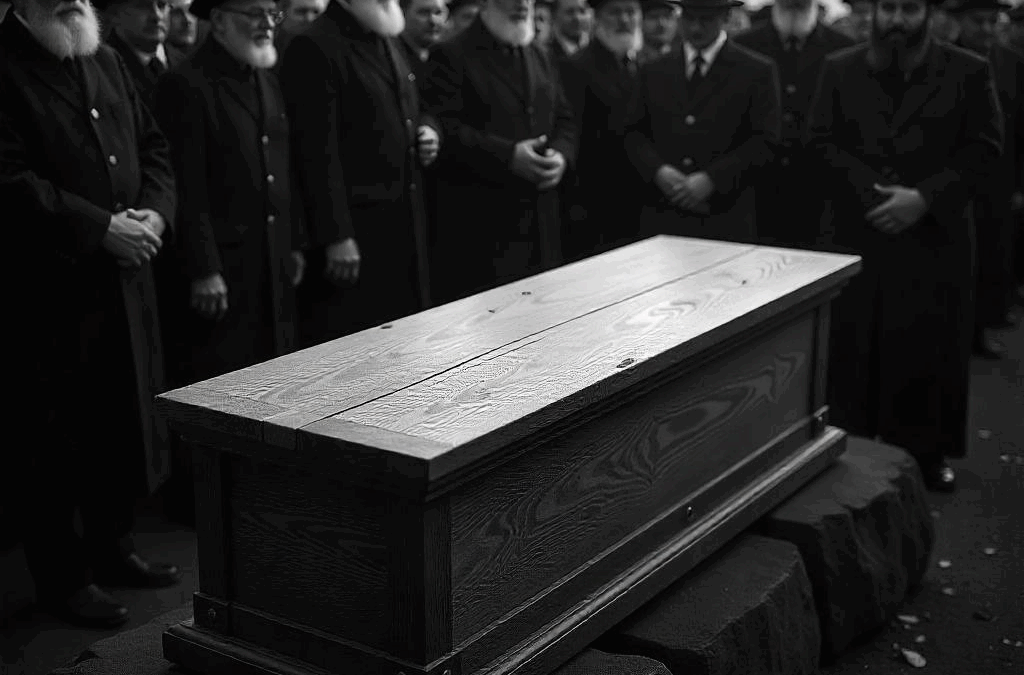
In Jewish tradition, the burial process is guided by a philosophy of modesty and equality. This is evident in the materials used: caskets are typically crafted from untreated wood, often pine, without any metal or synthetic embellishments. The deceased is wrapped in a simple linen shroud, emphasizing the idea that all are equal in death, regardless of status or wealth.
These choices do more than uphold spiritual values; they directly support environmental health. Wood caskets that haven’t been lacquered or sealed decompose naturally and safely, unlike many modern burial containers made with plastics, metals, or chemical treatments that persist in the soil.
This low-impact approach eliminates the resource-intensive production processes that accompany metal and composite caskets. By choosing materials that return harmlessly to the earth, Jewish burial practices reduce carbon emissions and promote a sustainable final resting.
Rejecting Embalming: Preserving the Body—and the Planet
A cornerstone of Jewish burial practice is the avoidance of embalming. Jewish law views the body as sacred and forbids invasive procedures after death unless absolutely necessary. As a result, the deceased is buried in as natural a state as possible, typically within 24 hours.
The environmental significance of this cannot be overstated. Embalming fluids often contain formaldehyde and other volatile chemicals that pose risks to both human health and the environment. These substances can leach into soil and groundwater, contaminating ecosystems over time. Organizations focused on sustainable burial practices consistently identify the avoidance of embalming as a leading factor in reducing environmental harm.
Jewish tradition’s natural preparation of the body protects local habitats and groundwater sources while remaining deeply aligned with core religious principles. In this case, spiritual reverence directly complements ecological care.
Shmirah and Taharah: Rituals Rooted in Dignity and Low Impact
Beyond the materials and chemicals avoided, the practices surrounding death in Judaism demonstrate a high level of respect and restraint. After death, the body is not left alone. Volunteers or loved ones perform shmirah, remaining near the deceased and often reciting Psalms, until burial.
Equally significant is taharah, a ritual washing and purification of the body carried out by the chevra kadisha, or holy burial society. The process uses only warm water and natural linens—no chemicals, cosmetics, or artificial preparations. It is an intimate act of care performed with reverence and restraint.
From an environmental standpoint, these practices are notable for their minimal resource use. There is no refrigeration, no synthetic preservation, and no reliance on mechanical or industrial processes. The body is honored, not altered, and laid to rest without introducing pollutants into the ecosystem.
Returning to the Earth: No Vaults, No Barriers
Many conventional cemeteries require vaults or grave liners—large containers made from concrete or plastic placed around caskets to prevent ground settling. These vaults interfere with decomposition and significantly increase the material and energy costs of burial.
Traditional Jewish burial avoids these structures entirely. The body, in its shroud or wooden casket, is placed directly into the ground. This allows for a complete and natural return to the earth, without unnecessary interference.
Natural burial practices, particularly those that exclude vaults, are widely recognized by conservation groups as among the most sustainable. In fact, Jewish cemeteries often meet the highest standards for eco-conscious burial—even when they aren’t formally designated as “green.” The absence of vaults enables the soil to remain active and biodiverse, supporting the broader health of the land.
Shared Values: A Cycle of Life and Death
At the heart of Jewish burial is the concept of “dust to dust.” This phrase, drawn from Genesis, underscores a belief that life is cyclical. The body is not something to preserve artificially but to return, naturally, to the soil from which it came.
This philosophy aligns closely with contemporary ecological principles. Both worldviews recognize that all life is interconnected and that our actions—even after death—impact the living systems around us. By minimizing disruption to the earth and allowing for a graceful decomposition, Jewish tradition mirrors modern sustainability ideals.
Importantly, this is not a matter of adjusting ancient customs to fit modern sensibilities. Rather, it highlights how enduring wisdom has long offered answers to contemporary ecological concerns.
Jewish Cemeteries Moving Toward Conservation
As interest in eco-conscious burials grows, many Jewish communities see their customs already support these values.
Jewish cemeteries across North America are adding natural burial sections that preserve halachic integrity and protect the landscape.
These sections often include native plants and avoid synthetic fertilizers or pesticides. They also limit the use of permanent structures. Families may choose to forgo a grave marker entirely or select one made from natural materials. The result is a landscape that blends with its surroundings. It creates a peaceful space that honors both people and nature.
Some cemeteries now collaborate with broader conservation efforts. They combine Jewish traditions with land stewardship focused on biodiversity and habitat care. This shift shows a growing awareness that sacred spaces can—and should—be sustainable ones.
The Enduring Relevance of Tradition
What’s striking about the overlap between Jewish burial and green values is how unforced it is. These aren’t new adaptations or environmentally “friendly” versions of older customs. They are the customs preserved over generations, consistent with religious ethics, and innately sustainable.
For families seeking meaningful, low-impact burial options, these traditions offer clarity and comfort. There’s no need to choose between spiritual authenticity and ecological responsibility. Jewish burial already provides both.
At a time when so many aspects of modern life—and death—raise environmental questions, Jewish burial customs quietly provide timeless answers. With each simple shroud, unvarnished pine box, and unembalmed body, these rituals reaffirm a sacred truth: that the earth is not just a place we live, but a home to which we all return.