Natural burial and traditional burial differ in cost, environmental impact, and preparation methods, shaping personal and ethical decisions. As more people consider eco-friendly burial options, the differences between these two methods have become more significant. Traditional burial follows long-standing customs, while natural burial focuses on sustainability and simplicity.
Choosing between them requires an understanding of costs, legal requirements, and environmental effects. Whether prioritizing tradition, affordability, or environmental consciousness, this guide will help clarify important aspects of both burial methods.
What Is Traditional Burial?
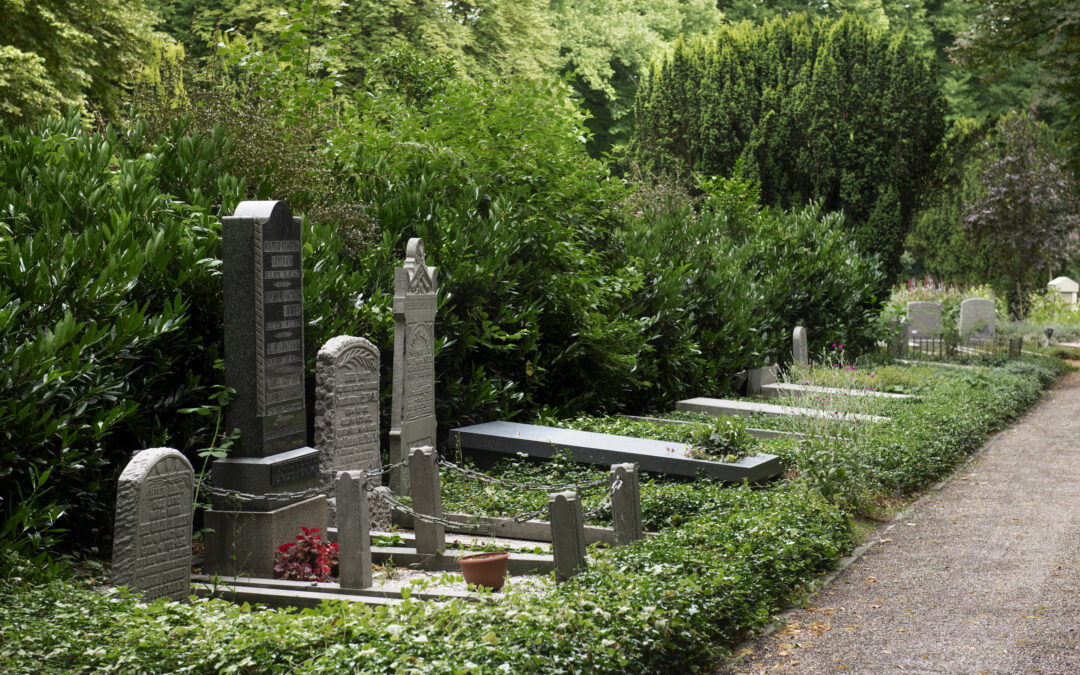
Traditional burial is the most common funeral practice in the U.S. It involves embalming, a casket, and burial in a cemetery. While it provides a structured way to honor the deceased, it also comes with financial and environmental costs.
Characteristics of Traditional Burial
- Embalming Process – Chemicals, including formaldehyde, preserve the body for viewing and delay decomposition.
- Caskets and Burial Vaults – Hardwood, metal, or steel caskets are placed in concrete or metal vaults.
- Cemetery Requirements – Many cemeteries have rules regarding vaults, headstones, and grave upkeep.
- Long-Term Maintenance – Perpetual care cemeteries require ongoing fees to maintain gravesites.
- Higher Costs – Expenses for embalming, caskets, and cemetery plots can total between $7,000 and $12,000.
- Environmental Concerns – Non-biodegradable materials and embalming chemicals contribute to long-term pollution.
Why Some People Choose Traditional Burial
- It provides a permanent burial site for loved ones to visit.
- Religious and cultural traditions often favor this method.
- Families find comfort in familiar funeral services.
While traditional burial remains a preferred choice for many, its cost and environmental impact have led to growing interest in alternatives.
What Is Natural Burial?
Natural burial offers a sustainable funeral practice that minimizes environmental impact. It eliminates embalming, uses biodegradable materials, and allows for natural decomposition. This method aligns with conservation efforts and reduces waste.
Characteristics of Natural Burial
- No Embalming Chemicals – The body is buried without preservatives, allowing natural decomposition.
- Biodegradable Burial Materials – Shrouds, wicker caskets, or untreated wooden coffins break down naturally.
- Green Cemetery Options – These sites maintain a natural landscape, avoiding traditional grave markers.
- Lower Carbon Footprint – By eliminating vaults, caskets, and chemicals, this option reduces environmental harm.
- More Affordable Costs – Without embalming, vaults, or premium caskets, natural burial typically costs between $1,000 and $4,000.
- Legal Considerations – Laws vary by state, and home burials may require specific permits.
Why Some People Choose Natural Burial
- It aligns with eco-conscious values and sustainable funeral practices.
- Costs are significantly lower than traditional burial.
- Some religious traditions prefer natural burial over embalming.
- Green cemeteries often preserve natural habitats.
With an increasing number of green cemetery options, natural burial is becoming more accessible to those who seek a minimal-impact approach.
Differences Between Natural Burial and Traditional Burial
Both burial methods honor the deceased, but they differ in several important ways.
1. Environmental Impact
Traditional burial involves embalming chemicals, metal caskets, and concrete vaults, all of which contribute to land pollution and resource depletion.
- Embalming fluids can contaminate soil and groundwater.
- Metal and hardwood caskets take years to decompose.
- Cemetery vaults prevent natural decomposition and require additional land use.
Natural burial is designed to reduce these environmental effects:
- Bodies return to the earth naturally without preservatives.
- Biodegradable materials break down completely, leaving no waste.
- Green cemeteries promote conservation, supporting wildlife and plant growth.
For individuals concerned about their environmental legacy, natural burial provides an alternative that reduces long-term pollution.
2. Cost Comparison
Traditional burials often involve multiple expenses, including embalming, a casket, a burial vault, and cemetery fees.
Traditional Burial Costs:
- Embalming: $500–$1,500
- Casket: $2,000–$5,000+
- Burial Vault: $1,000–$2,000
- Cemetery Plot and Fees: $1,500–$3,000
- Total Estimated Cost: $7,000–$12,000
Natural Burial Costs:
- Biodegradable Casket or Shroud: $100–$1,500
- Burial Plot in a Green Cemetery: $1,000–$3,000
- No Embalming or Vault Required
- Total Estimated Cost: $1,000–$4,000
For families looking for an affordable burial option, natural burial is a more budget-friendly choice.
3. Legal and Burial Site Differences
Burial laws vary by location.
Traditional Burial Regulations:
- Permitted in public and private cemeteries.
- Requires compliance with state and local cemetery laws.
- Vaults and headstones often mandatory.
Natural Burial Regulations:
- Allowed in certified green cemeteries or on private land (with permits).
- May require approval from local authorities.
- No vaults or embalming required, depending on location.
Families should check local laws before choosing a burial site to ensure compliance.
4. Cultural and Religious Perspectives
Many religions have specific burial practices.
Traditional Burial Preferences:
- Common in Catholic, Protestant, and Orthodox Christian traditions.
- Encourages embalming and formal funeral services.
Natural Burial Preferences:
- Aligned with Jewish and Islamic traditions, which discourage embalming.
- Reflects indigenous and eco-conscious spiritual beliefs.
Consulting religious leaders can help families choose a burial method that aligns with their beliefs.
Choosing the Right Burial Option
Deciding between natural burial and traditional burial depends on personal values, financial considerations, and environmental concerns.
Questions to Consider:
- Do I prefer a sustainable funeral practice?
- Is cost a major factor in my decision?
- Do I want a permanent gravesite for family visits?
- Does my religion influence burial preferences?
- Am I comfortable with embalming and other preservation methods?
Consulting funeral homes that offer both burial options can provide additional guidance.