Funeral traditions offer solace and a way to honor loved ones. However, they also come with a lesser-known consequence: their environmental impact. Traditional burial methods, while culturally significant, consume resources, pollute ecosystems, and demand extensive land use. With growing awareness of environmental issues, understanding how these practices affect the planet is vital for making informed decisions.
What Are Traditional Burial Practices?
Traditional burial methods involve embalming, casket interment, and the use of grave liners or vaults. While these practices are deeply rooted in tradition, each element leaves an environmental footprint.
Key components include:
- Embalming: Bodies are preserved using chemicals, often formaldehyde-based, which can seep into the soil and water over time.
- Coffins and Vaults: Coffins are typically made of treated wood or metal, while vaults are constructed from concrete or steel, neither of which decomposes naturally.
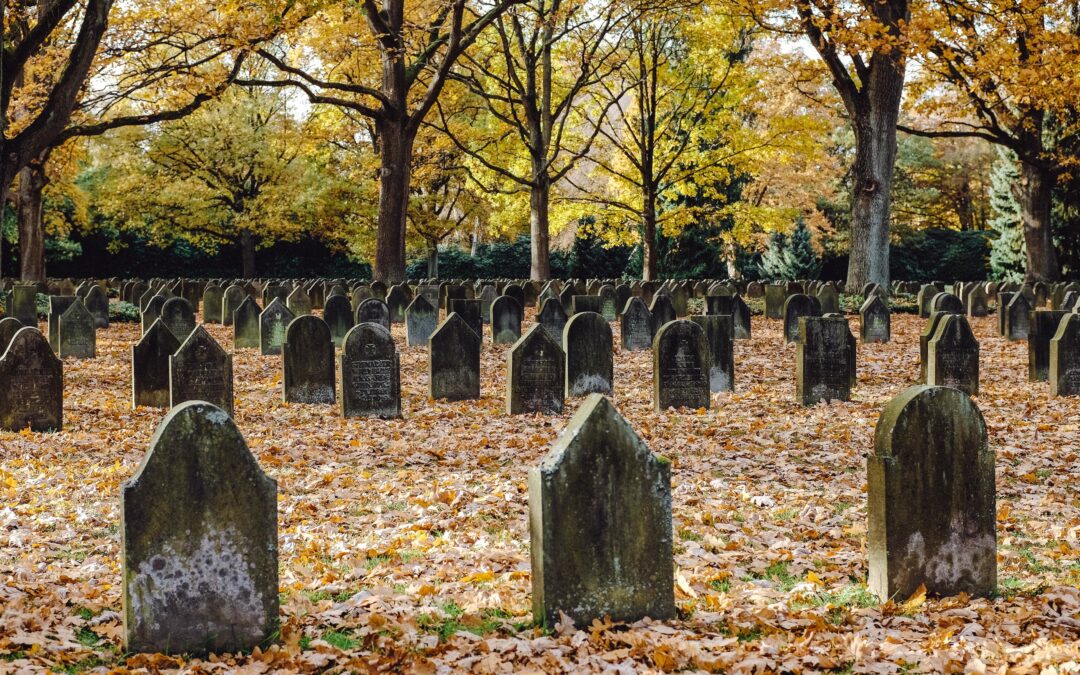
- Land Use: Cemetery plots permanently occupy large areas of land that cannot be repurposed.
While these elements are central to traditional burials, their long-term environmental consequences are concerning.
Resource Use in Traditional Burials
The materials required for traditional burials contribute to significant resource depletion. To meet burial demands, industries harvest hardwood, mine for metals, and produce concrete, all of which take a toll on the environment.
Notable Resource Facts
- Hardwood: Approximately 30 million board feet of hardwood are used annually for casket production in the U.S.
- Concrete: Over 1.6 million tons of reinforced concrete are consumed each year to create burial vaults.
- Metals: 90,000 tons of steel go into casket linings and vaults.
The environmental effects of sourcing these materials are significant. For instance, logging for hardwood depletes forests and disrupts ecosystems, while mining for steel contributes to soil erosion and habitat destruction.
Land Scarcity and Usage
- Cemeteries across the U.S. occupy over 1 million acres of land, and demand continues to grow.
- Burial grounds are permanent, limiting opportunities for the land to be repurposed or restored for conservation efforts.
This resource use not only impacts the present but also creates long-term ecological challenges.
The Hidden Pollution of Embalming
Embalming is standard in traditional burial practices, but its environmental costs are significant. Each year, U.S. burials use approximately 800,000 gallons of embalming fluid, which includes toxic substances like formaldehyde. These chemicals, while effective at preserving bodies, can harm the environment in several ways.
Environmental Risks of Embalming
- Soil Contamination: Formaldehyde and methanol seep into the ground, disrupting microbial activity essential for healthy soil.
- Water Pollution: Over time, embalming chemicals can reach groundwater sources, potentially impacting nearby ecosystems.
- Human Health Concerns: Funeral workers exposed to embalming chemicals face an increased risk of certain cancers due to prolonged exposure.
Reducing or eliminating embalming can significantly decrease these risks while allowing for a more natural return to the earth.
The Environmental Toll of Caskets and Vaults
Caskets and vaults are designed for durability, which ironically makes them problematic for the environment. These materials are intended to resist decomposition, meaning they remain intact for decades, if not centuries.
Key Environmental Issues
- Non-Biodegradable Materials: Metal caskets and concrete vaults persist in the soil, adding to long-term waste.
- High Energy Use: Manufacturing these products requires substantial energy, increasing greenhouse gas emissions.
- Transportation Footprint: Shipping heavy materials like concrete and steel across long distances adds to their environmental impact.
Switching to biodegradable options such as wicker caskets or shrouds can mitigate some of these challenges.
How Traditional Burials Contribute to Greenhouse Gas Emissions
The environmental impact of traditional burial methods extends beyond land and material use. The production and transportation of burial materials contribute significantly to greenhouse gas emissions.
Sources of Emissions
- Casket Manufacturing: The processing of wood and metal emits carbon dioxide.
- Vault Production: Cement manufacturing, which is essential for vaults, accounts for nearly 8% of global carbon emissions.
- Land Clearing: Preparing land for cemeteries releases stored carbon from trees and soil.
When considering these emissions, it’s clear that traditional burial practices have a lasting impact on climate change.
Eco-Friendly Alternatives to Traditional Burials
As environmental awareness grows, many families are exploring sustainable alternatives to traditional burials. These methods aim to minimize ecological harm while maintaining respect for cultural and personal values.
Popular Green Burial Options
- Biodegradable Caskets or Shrouds: Made from natural fibers like cotton or bamboo, these options decompose naturally.
- Natural Burial Preserves: Combining burial with land conservation, these sites protect ecosystems while allowing natural decomposition.
- No Embalming: Forgoing embalming reduces chemical pollution and allows for a natural return to the earth.
Benefits of Sustainable Burials
- Require fewer materials and resources.
- Preserve land by integrating burials with conservation efforts.
- Avoid long-term pollution from embalming chemicals and non-biodegradable materials.
For example, the Green Burial Council certifies eco-friendly burial providers, ensuring sustainable practices are maintained.
The Role of Cremation: A Mixed Alternative
While cremation eliminates land use concerns, it comes with its own environmental drawbacks. The process requires high temperatures and releases significant carbon dioxide into the atmosphere.
Evaluating Cremation
- Pros: Avoids land use and reduces material consumption.
- Cons: Emits greenhouse gases and pollutants, including mercury from dental fillings.
Emerging methods such as alkaline hydrolysis (also known as water cremation) offer a more sustainable alternative by using water and chemicals to break down the body with minimal environmental impact.
What Funeral Homes Can Do to Promote Sustainability
Funeral homes and cemeteries are uniquely positioned to encourage more sustainable burial practices. By providing eco-friendly options and educating clients, they can help reduce the environmental impact of end-of-life arrangements.
Steps Funeral Providers Can Take
- Offer green burial services, including biodegradable caskets and natural burial preserves.
- Educate clients about the ecological impact of traditional methods and the benefits of alternatives.
- Partner with organizations like the Green Burial Council to promote eco-friendly certifications.
Shifting funeral traditions toward sustainability benefits both grieving families and the planet.
Conclusion: A Legacy of Care for the Planet
The environmental impact of traditional burial methods is profound, affecting land, resources, and ecosystems in ways many people don’t realize. As we become more aware of these effects, exploring sustainable alternatives such as green burials or modern cremation methods becomes a meaningful way to reduce ecological harm.
Ultimately, honoring loved ones while protecting the planet creates a legacy of care for future generations. Together, we can ensure that our final goodbyes reflect both personal values and environmental stewardship.