Jewish burial practices, deeply rooted in ancient traditions, reflect reverence, simplicity, and a commitment to faith. These rituals, which have evolved over centuries, ensure that the deceased are honored in accordance with sacred principles. From biblical times to modern adaptations, these practices embody timeless values while addressing contemporary needs.
Foundations of Jewish Burial Practices
Jewish burial customs originate from the Torah, which emphasizes the sanctity of the human body. Abraham’s purchase of the Cave of Machpelah to bury Sarah, detailed in Genesis, serves as the first documented burial in Jewish tradition.
Key elements of biblical-era practices include:
- Same-day burial whenever possible to honor the deceased.
- Use of family tombs or caves, signifying unity and continuity.
- Ritual purification and respectful handling of the body.
These practices not only established the framework for later customs but also symbolized the belief in the body’s eventual resurrection.
The Role of the Chevra Kadisha
The Chevra Kadisha (Holy Society) plays a crucial role in Jewish funerary practices. This group ensures that all rituals are conducted in line with Jewish law (halacha) and with profound respect.
Responsibilities include:
- Performing tahara (ritual purification) by washing the body, symbolizing spiritual purity.
- Dressing the deceased in simple white shrouds (tachrichim), reflecting equality before God.
- Providing support to bereaved families and guiding them through the mourning process.
By fulfilling these sacred duties, the Chevra Kadisha upholds the communal obligation to honor the dead.
Simplicity in Jewish Funerals
Jewish funerals prioritize modesty and humility, reflecting the belief that material possessions hold no value in death. Key elements include:
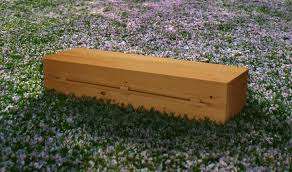
- Plain wooden coffins: If used, they are crafted without nails or metal, facilitating natural decomposition.
- Avoidance of embalming: This preserves the body’s integrity, in alignment with Jewish principles.
- Community involvement: Friends and family often participate in the burial, symbolizing collective responsibility.
These practices emphasize the return to the earth as stated in Ecclesiastes: “For dust you are, and to dust you shall return.”
Modern Jewish Burial Practices
Modern adaptations to Jewish funerary customs balance tradition with contemporary realities. Some of these include:
- Technology integration: Livestreamed funerals allow distant loved ones to participate.
- Delayed burials: Accommodations are made for family members traveling long distances.
- Eco-conscious options: Green burials, which align with Jewish values of simplicity and environmental stewardship, have gained popularity.
These changes demonstrate how Jewish burial practices remain relevant without compromising core principles.
The Mourning Period: Sitting Shiva
Shiva, meaning “seven,” is the formal mourning period observed by close family members following a burial. It provides a structured way to process grief while receiving support.
Shiva traditions include:
- Sitting low to the ground: Reflecting humility and mourning.
- Lighting a memorial candle: Representing the soul’s enduring light.
- Reciting the Kaddish prayer: Affirming faith and praising God.
- Community visits: Friends and neighbors bring meals and offer condolences, reinforcing solidarity.
This period creates a comforting environment for mourners while fostering community bonds.
Jewish Beliefs About the Afterlife
Central to Jewish burial practices is the belief in an afterlife and resurrection of the dead. These convictions influence key customs:
- No cremation: The body is viewed as sacred and must remain intact for resurrection.
- Natural burial: Returning to the earth fulfills biblical teachings.
- Gravestones with inscriptions: Memorializing the deceased while affirming their spiritual legacy.
This belief offers comfort to the living, emphasizing that death is not the end but part of a greater divine plan.
Jewish Cemeteries: Eternal Homes
Cemeteries, or beit olam (“house of eternity”), are central to Jewish mourning and remembrance. Their design and symbolism reflect spiritual significance.
Notable features include:
- Family plots: Reinforcing unity and connection across generations.
- Hebrew inscriptions: Offering prayers, blessings, and personal reflections.
- Stones placed on graves: A sign of respect and remembrance by visitors.
Visiting cemeteries on anniversaries or special occasions strengthens the connection between the living and their ancestors.
Challenges and Modern Adaptations
In today’s fast-paced world, preserving traditional Jewish burial customs can be challenging. Key issues include:
- Urbanization: Limited burial space in cities often leads to creative solutions, such as vertical cemeteries.
- Secular influences: Educating communities about traditional practices helps bridge generational gaps.
- Environmental concerns: The rise of eco-friendly burials aligns with Jewish values while addressing modern priorities.
Communities and organizations are actively working to balance tradition with the needs of contemporary Jewish families.
Conclusion
Jewish burial practices from biblical times to modern traditions highlight a profound respect for life, community, and faith. These timeless customs, whether preserved in their traditional form or adapted for modern contexts, serve as a testament to the enduring values of the Jewish faith. Through rituals that honor both the deceased and the living, Jewish burial traditions continue to provide solace, connection, and meaning for generations to come.