
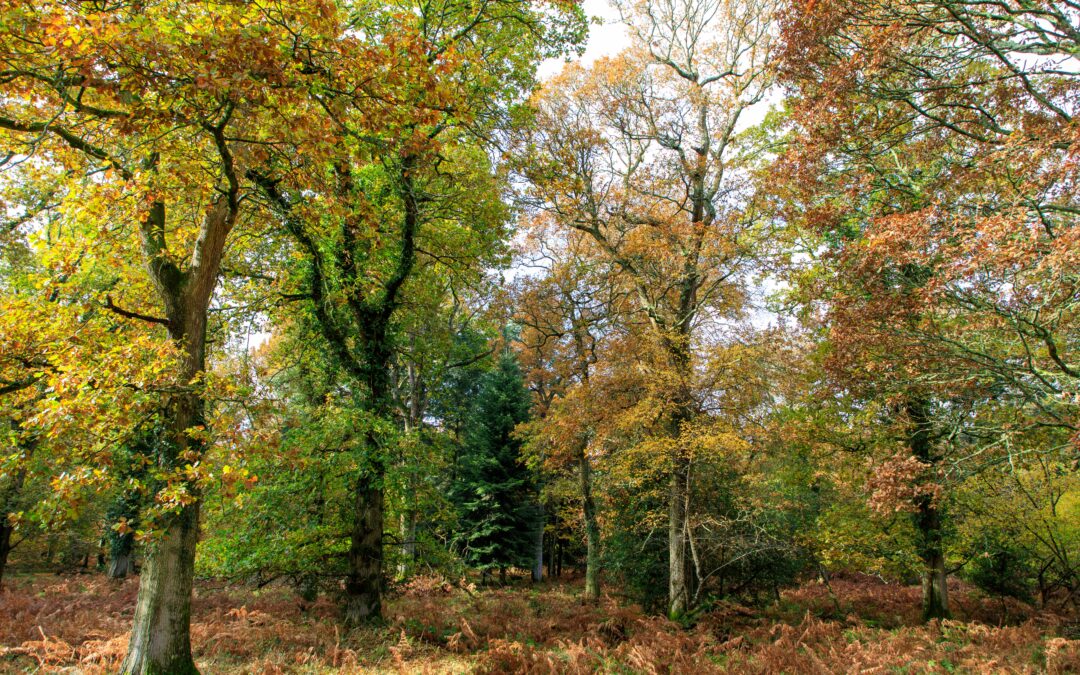
Arboretums serve as sanctuaries of tranquility and biodiversity, providing a unique space where nature’s beauty and history intertwine. Serenity Ridge’s arboretum beautifully showcases the history of these wonderful spaces, highlighting arboretum’s beauty and importance. With their rich collections of trees and shrubs, these spaces not only conserve plant species but also offer a haven for wildlife and a peaceful retreat for visitors. Understanding the significance of arboretums can deepen appreciation for their role in environmental conservation and personal well-being. Join us as we explore the myriad benefits and historical significance of these enchanting natural sanctuaries.
Understanding Arboretums
An arboretum is a botanical garden primarily devoted to growing trees and shrubs for educational, research, and ornamental purposes. Unlike a general botanical garden, which may include a variety of plant types, arboretums focus specifically on woody plants. These living museums conserve biodiversity, educate the public, and provide a serene retreat from urban life.
Key features of an arboretum include:
- Collection of diverse tree and shrub species
- Educational and research facilities
- Publicly accessible spaces for recreation and learning
The Beauty of Arboretums
Flora and Fauna
The beauty of arboretums lies in their diverse collections of trees and shrubs. At Serenity Ridge, visitors explore a vast array of species, from majestic oaks to delicate flowering dogwoods. Each plant is carefully labeled, providing educational insights into its origins, uses, and ecological significance. The presence of diverse flora creates a habitat that attracts various fauna, including birds, butterflies, and small mammals.
Highlights include:
- Vast species variety, including rare and endangered plants
- Informational signage for educational purposes
- Habitats supporting diverse wildlife
Seasonal Changes
One of the most enchanting aspects of an arboretum is witnessing the changing seasons. In spring, the arboretum bursts into a riot of colors with blooming flowers and fresh green foliage. Summer brings a lush, verdant canopy, providing cool shade and a refuge from the heat. Autumn transforms the landscape into a tapestry of reds, oranges, and yellows as leaves change color. Winter offers a serene and contemplative experience with the stark beauty of bare branches against the sky and the occasional dusting of snow.
Seasonal attractions:
- Spring blooms and fresh greenery
- Summer shade and lush foliage
- Autumn colors and falling leaves
- Winter landscapes and stark beauty
Landscape Design
Arboretums are meticulously designed to highlight the natural beauty and diversity of plant life. Pathways meander through different collections, guiding visitors on a journey through various ecosystems and thematic gardens. Water features, sculptures, and seating areas are thoughtfully integrated, creating spaces for relaxation and reflection.
Design elements include:
- Meandering pathways through diverse collections
- Thematic gardens and ecosystems
- Water features, sculptures, and seating areas
The History of Arboretums
Origins
The concept of arboretums dates back to ancient times when royal gardens featured collections of exotic plants. However, the modern arboretum as we know it began to take shape in the 18th and 19th centuries. Botanists and plant enthusiasts established early arboretums to study and cultivate diverse species. Their efforts laid the foundation for today’s arboretums, which continue to serve as centers for plant conservation and education.
Key historical points include:
- Ancient royal gardens with exotic plants
- 18th and 19th-century botanical establishments
- Evolution into modern conservation and education centers
Famous Arboretums Worldwide
Throughout the world, numerous arboretums have gained recognition for their extensive collections and contributions to botanical science. The Arnold Arboretum in Boston, USA, is renowned for its research and educational programs. The Royal Botanic Gardens, Kew, in London, boasts an impressive array of plant species from around the globe. Each of these arboretums plays a vital role in preserving plant biodiversity and advancing our understanding of the natural world.
Notable examples include:
- Arnold Arboretum in Boston
- Royal Botanic Gardens, Kew in London
- Contributions to botanical science and biodiversity
Evolution Over Time
Over the centuries, arboretums have evolved to meet the changing needs of society. Initially focused on scientific research and plant collection, many arboretums have expanded their roles to include public education, conservation efforts, and community engagement. At Serenity Ridge, our arboretum reflects this evolution, offering a space that not only showcases plant diversity but also promotes environmental stewardship and fosters a sense of community.
Modern roles include:
- Scientific research and plant collection
- Public education and community engagement
- Conservation efforts and environmental stewardship
Serenity Ridge’s Arboretum
Unique Features
The arboretum at Serenity Ridge is distinguished by its unique features and extensive plant collections. Our curated selections include rare and endangered species, native plants, and themed gardens that highlight different ecosystems and horticultural styles. Visitors can explore sections dedicated to medicinal plants, native flora, and ornamental trees, each offering a distinct and enriching experience.
Key attractions include:
- Rare and endangered species
- Native plant collections
- Themed gardens showcasing different ecosystems
Visitor Experience
A visit to Serenity Ridge’s arboretum is designed to be both educational and rejuvenating. Well-marked trails and informative signage guide visitors through the various collections, while interactive exhibits and guided tours provide deeper insights into the plants and their ecological roles. For those seeking tranquility, numerous benches and picnic areas are strategically placed to offer peaceful spots for relaxation and contemplation.
Visitor amenities include:
- Well-marked trails and informative signage
- Interactive exhibits and guided tours
- Benches and picnic areas for relaxation
Educational Programs
Education is a core component of Serenity Ridge’s mission. Our arboretum hosts a variety of programs aimed at different age groups and interests. School groups can participate in hands-on learning experiences that align with their curriculum, while adult education classes cover topics such as gardening, botany, and environmental conservation. Workshops and lectures by experts in the field provide ongoing opportunities for learning and engagement.
Educational offerings include:
- School programs with hands-on learning
- Adult education classes on various topics
- Expert-led workshops and lectures
Benefits of Arboretums
Environmental Benefits
Arboretums play a crucial role in environmental conservation. By preserving diverse plant species, they contribute to the protection of genetic diversity and the resilience of ecosystems. Trees and shrubs in arboretums also help mitigate climate change by absorbing carbon dioxide, improving air quality, and providing habitat for wildlife.
Environmental contributions include:
- Preservation of diverse plant species
- Protection of genetic diversity
- Climate change mitigation through carbon absorption
Social and Cultural Importance
Beyond their environmental significance, arboretums hold important social and cultural value. They provide spaces for recreation, relaxation, and community events, fostering a sense of connection and well-being. Cultural programs and festivals hosted at arboretums celebrate the beauty and diversity of plant life, promoting appreciation and respect for nature.
Social benefits include:
- Recreational and relaxation spaces
- Community events and cultural programs
- Promotion of appreciation for plant diversity
Health and Wellness
The health benefits of spending time in nature are well-documented. Arboretums offer a peaceful and restorative environment that can reduce stress, improve mental health, and encourage physical activity. Walking through the serene paths of Serenity Ridge’s arboretum, visitors can experience the therapeutic effects of nature, enhancing their overall well-being.
Wellness benefits include:
- Stress reduction and mental health improvement
- Encouragement of physical activity
- Therapeutic effects of nature
Planning a Visit
Best Times to Visit
To fully appreciate the beauty of an arboretum, it’s important to plan your visit during the optimal seasons. Spring and autumn are particularly spectacular, with vibrant blooms and striking foliage colors. However, each season offers its own unique charm, and visiting at different times of the year can provide new perspectives and experiences. Serenity Ridge’s arboretum is open year-round, welcoming visitors to explore and enjoy its ever-changing landscapes.
Optimal visiting times include:
- Spring for vibrant blooms
- Summer for lush greenery
- Autumn for striking foliage colors
- Winter for serene landscapes
Tips for Visitors
To make the most of your visit to an arboretum, consider these tips. Wear comfortable walking shoes and bring water, especially if you plan to explore extensively. A camera or smartphone can help capture the beauty of the plants and landscapes. Take your time to read the informational signs and participate in any available guided tours or educational programs. Most importantly, be respectful of the natural environment by staying on designated paths and not disturbing the plants or wildlife.
Visitor tips include:
- Wear comfortable walking shoes
- Bring water and a camera
- Read informational signs and join tours
- Respect the natural environmen
Reflecting on Arboretums
Arboretums are more than just collections of trees; they are living legacies that connect us to nature, history, and each other. By exploring their beauty and understanding their history, we can deepen our appreciation for these wonderful spaces. Serenity Ridge’s arboretum exemplifies the best of what arboretums have to offer, providing a haven for both plants and people.
Key takeaways include:
- Arboretums as living legacies
- Connection to nature, history, and community
- Serenity Ridge’s role in promoting these values
Future of Arboretums
Looking ahead, arboretums will continue to play a vital role in conservation, education, and community well-being. As we face growing environmental challenges, the importance of these green spaces will only increase. By supporting and visiting arboretums, we contribute to the preservation of biodiversity and the promotion of a more sustainable and harmonious relationship with nature.