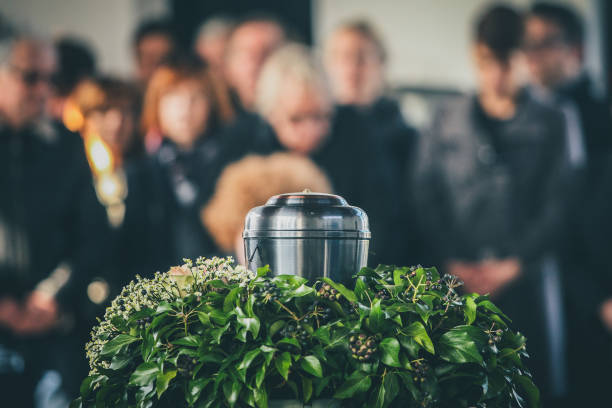
Cremation, reducing a body to ashes through intense heat, has become an increasingly popular choice for final disposition in many cultures. However, it’s essential to recognize that this method has environmental implications worth considering.
Energy Consumption
Cremation requires a significant amount of energy. The process involves heating a cremation chamber to temperatures of approximately 1,400 to 1,800 degrees Fahrenheit. This takes place over several hours. This energy-intensive process contributes to greenhouse gas emissions and the depletion of natural resources.
Emissions
The cremation process releases atmospheric emissions, including carbon dioxide (CO2), nitrogen oxides (NOx), and particulate matter. While modern crematories have pollution control technologies to minimize emissions, some pollutants may still escape into the environment, contributing to air pollution and climate change.
Mercury Emissions
One of the cremation’s most concerning environmental impacts is the release of mercury vapor. Dental fillings containing mercury (amalgam) are often not removed from deceased bodies before cremation. As a result, mercury vapor is released into the air, posing a risk to the environment and human health.
Resource Consumption
Cremation requires using materials such as caskets, urns, and clothing, all of which can have their environmental impacts. The production of these items consumes resources and energy, and many are not biodegradable.
Burial Alternative: Green Burial
Cremation can also indirectly impact the environment by influencing burial practices. As cremation becomes customary, it may reduce traditional burial practices, often involving using land for cemeteries. Some argue that we could repurpose the ground for more environmentally friendly uses.
Natural burial aids in conserving natural resources, reducing carbon emissions, protecting worker health, and the restoration and/or preservation of habitats. Additionally, it pays special attention to returning the body to the earth in a safe way that is simple and natural, allows for more significant family interaction, and is a fraction of the cost of conventional burial. Currently, green burial is also rooted in the spirit of social and environmental change – and Serenity Ridge is committed to being part of that change.
Think green burial may be the right fit? As part of your last act, why not enhance the environment rather than impact it?
Contact us today to learn more.