The environmental impact of our choices, even after life, is something more people are considering seriously. Natural burial practices offer an eco-friendly alternative by avoiding harmful chemicals which significantly reduces carbon emissions. This growing awareness is driving the shift towards greener burial methods, which not only honor loved ones but also contribute to a healthier planet. Embracing natural burial can be a powerful way to leave a positive, lasting legacy. This exploration will delve into how natural burials work and why they are a vital part of reducing our ecological footprint.
Introduction to Natural Burial
Natural burial, also known as green burial, is an eco-friendly alternative to traditional burial practices. Unlike conventional methods, natural burial avoids the use of harmful chemicals, non-biodegradable materials, and energy-intensive processes. Instead, it focuses on returning the body to the earth in a way that promotes decomposition and reduces environmental harm. Natural burial aligns with the principles of sustainability, seeking to minimize the environmental footprint. This practice also encourages the use of locally sourced, biodegradable materials.
Natural Burial Practices
Natural burial practices emphasize simplicity and sustainability. Bodies are not embalmed but rather prepared for burial in a way that allows for natural decomposition. Biodegradable caskets or shrouds made from materials such as wood, bamboo, or organic cotton are used instead of metal or concrete. These materials break down naturally, minimizing environmental impact. Key elements include:
- Avoidance of embalming chemicals
- Use of biodegradable caskets or shrouds
- Promotion of natural decomposition
These practices also support the local economy by utilizing locally produced materials. Moreover, natural burial grounds often incorporate renewable energy sources for maintenance activities.
Reduction of Carbon Emissions
One of the primary benefits of natural burial is the reduction of carbon emissions. By avoiding energy-intensive processes and materials, natural burial significantly lowers the carbon footprint associated with end-of-life practices. For example, the production of a metal casket involves mining, refining, and manufacturing, all of which generate substantial greenhouse gases. In contrast, biodegradable caskets require minimal processing and have a much smaller carbon footprint. Benefits include:
- Lower energy consumption
- Reduced greenhouse gas emissions
- Minimal processing of materials
Natural burials also eliminate the need for concrete vaults, which further reduces the carbon footprint. Additionally, the reduction in chemical use prevents the release of toxins into the atmosphere.
Preservation of Natural Environments
Natural burial sites, often referred to as conservation cemeteries, are designed to preserve natural environments. These burial grounds are typically maintained as natural habitats, promoting biodiversity and ecosystem health. The absence of traditional grave markers and manicured lawns reduces the need for lawnmowers, pesticides, and fertilizers, further lowering carbon emissions. Key features include:
- Preservation of natural habitats
- Promotion of biodiversity
- Reduced need for maintenance chemicals
Conservation cemeteries often restore degraded land, providing new habitats for native species. These sites also act as carbon sinks, absorbing CO2 from the atmosphere.
Support for Local Ecosystems
Natural burials support local ecosystems by allowing the body to decompose naturally and contribute nutrients to the soil. This process enriches the soil and supports plant growth, creating a thriving environment for wildlife. Moreover, conservation cemeteries often include native vegetation, which helps maintain ecological balance and provides habitats for various species. Benefits include:
- Soil enrichment
- Support for plant growth
- Habitat creation for wildlife
These burial sites help combat soil erosion through the establishment of robust plant root systems. They also encourage the growth of flora and fauna, enhancing local biodiversity. Furthermore, the nutrient-rich soil improves agricultural productivity in nearby areas.
Community and Personal Benefits
Choosing a natural burial can also have personal and community benefits. It offers individuals a way to leave a positive legacy by contributing to environmental conservation. Families often find solace in knowing that their loved one’s final resting place supports a healthier planet. Additionally, natural burial sites can become cherished community spaces where people can connect with nature and reflect. Benefits include:
- Positive environmental legacy
- Emotional solace for families
- Creation of community spaces
Natural burial grounds often provide educational opportunities about sustainability. These sites also promote eco-tourism, benefiting local economies. Additionally, they offer spaces for community events and activities, fostering a sense of togetherness.
Economic Considerations
Natural burials are generally more cost-effective than traditional burials. The simplicity of the process eliminates the need for expensive caskets, vaults, and embalming services. This cost savings can be significant for families, making eco-friendly options accessible to a broader range of people. Key points include:
- Lower overall costs
- Elimination of expensive burial components
- Accessibility for more families
Furthermore, the reduced maintenance costs of natural burial grounds translate to long-term savings. The use of locally sourced materials also stimulates the local economy. Additionally, families may find that simpler ceremonies reduce overall expenses.
Public Awareness and Education
Raising public awareness about the benefits of natural burial is essential for its wider adoption. Many people are unaware of the environmental impact of traditional burial practices and the sustainable alternatives available. Educational initiatives can help inform the public and encourage more environmentally responsible choices. Focus areas include:
- Informing the public about environmental impacts
- Promoting sustainable burial alternatives
- Encouraging responsible choices
Community outreach programs can effectively spread knowledge about natural burial benefits. Social media campaigns can also reach a wider audience. Additionally, workshops and seminars can provide in-depth information on the subject.
Policy and Regulation
Governments and regulatory bodies play a crucial role in promoting natural burial practices. Policies that support the development and maintenance of conservation cemeteries can facilitate the growth of this eco-friendly option. Additionally, regulations that allow for flexible burial practices and protect natural burial sites are vital for their long-term success. Key aspects include:
- Supportive policies for conservation cemeteries
- Flexible burial regulations
- Protection of natural burial sites
Grants and incentives can encourage the establishment of natural burial grounds. Collaboration with environmental organizations can help shape effective policies. Additionally, legal frameworks need to evolve to accommodate the growing demand for natural burials.
Challenges and Future Directions
Despite its benefits, natural burial faces challenges such as public perception, limited availability of natural burial sites, and legal restrictions. However, growing environmental awareness and demand for sustainable options are driving changes. Continued advocacy, education, and policy support will be key to overcoming these obstacles and expanding the availability of natural burials. Challenges include:
- Overcoming public perception issues
- Expanding availability of burial sites
- Navigating legal restrictions
Addressing misconceptions about natural burial is crucial for wider acceptance. Expanding infrastructure can accommodate more natural burial sites. Additionally, international collaboration can harmonize regulations across borders.
The Environmental Impact of Traditional Burials
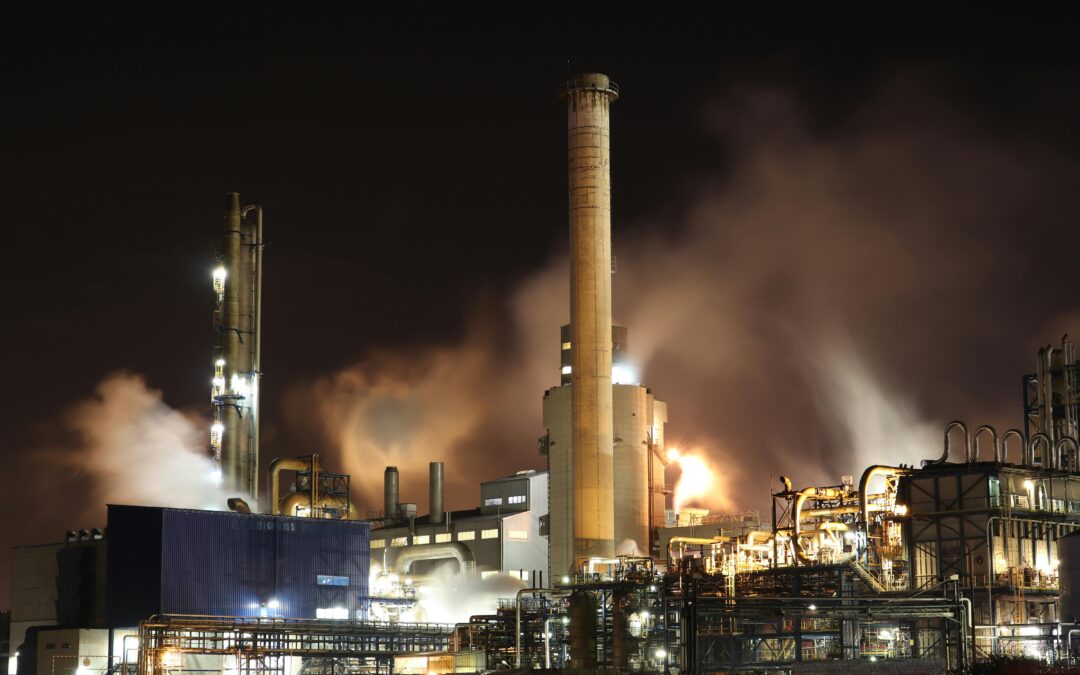
Traditional burials have a considerable environmental footprint. They often involve embalming fluids, which contain toxic chemicals like formaldehyde. These substances can leach into the soil and water, posing health risks to humans and wildlife. Additionally, conventional burials use concrete vaults and metal caskets, which require significant energy and resources to produce. The manufacturing and transportation of these materials contribute to greenhouse gas emissions. Furthermore, traditional burials often lead to the permanent alteration of natural landscapes. The use of synthetic materials in burial plots further exacerbates environmental degradation.
Going Forward
Natural burial presents a meaningful and sustainable alternative to traditional burial practices. By reducing carbon emissions, preserving natural environments, and supporting local ecosystems, it offers a way to honor loved ones while contributing to environmental conservation. As awareness and acceptance of natural burial grow, it holds the potential to become a standard practice that aligns with our collective responsibility to protect the planet.