Mentioning burial often brings to mind orderly rows of headstones and carefully trimmed lawns. Yet a growing number of families are choosing green burial today, driven by personal values, environmental responsibility, and a desire for deeper meaning. This choice isn’t just about parting ways with tradition—it’s about honoring a life in a way that feels authentic and truly connected to the world.
Changing Traditions and Evolving Legacy
Traditional burial customs once guided every step of how people were laid to rest. However, many families now reflect on what legacy truly means. Increasingly, they find comfort in alternatives that celebrate simplicity and sustainability. Green burial places nature at the heart of remembrance. Instead of sterile marble, families often choose native meadows or protected woodlands. This approach honors loved ones while fostering an ongoing relationship with the land itself.
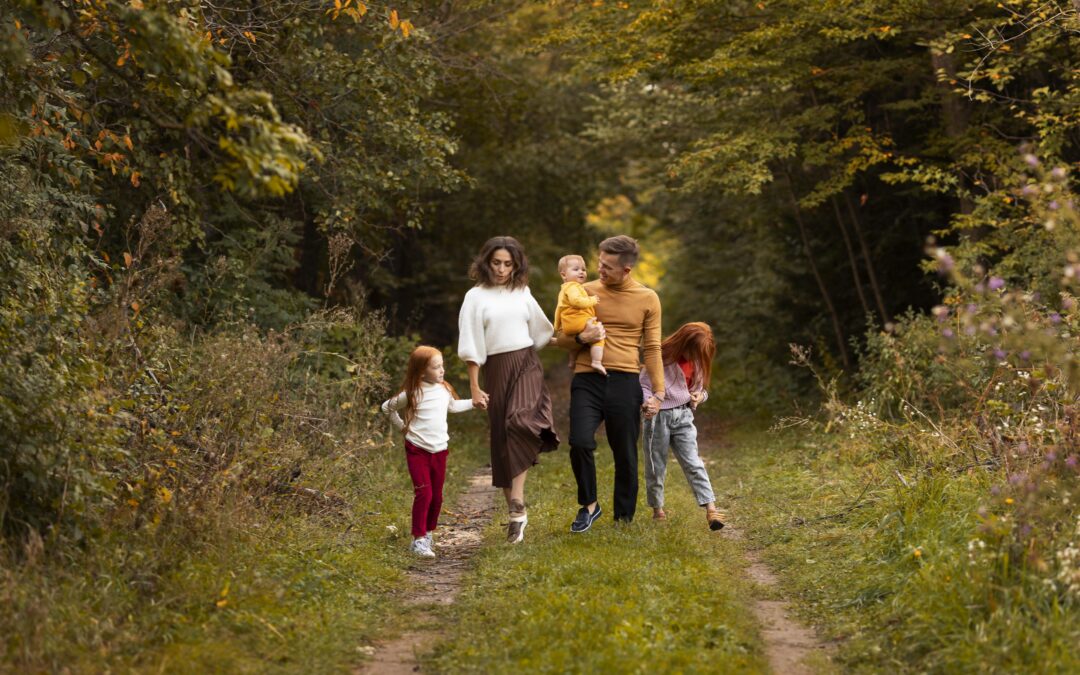
Some find meaning in knowing that a burial site supports conservation efforts, helping preserve ecosystems for future generations. Others appreciate the opportunity for loved ones to rest in settings that change with the seasons—wildflowers in spring, birdsong in summer, golden leaves in autumn. Choosing green burial today reflects a wish to create a living legacy, rather than one defined by concrete and metal.
Environmental Responsibility as a Guiding Principle
Environmental impact sits at the forefront for many families making burial decisions. Conventional burial methods typically require embalming chemicals, metal caskets, and concrete vaults. These elements often deplete natural resources and risk contaminating soil and groundwater. According to the Green Burial Council, an estimated 20 million feet of wood, 1.6 million tons of concrete, and over 4 million gallons of embalming fluid are buried in the U.S. each year.
Green burial offers a response to these concerns by prioritizing:
-
Biodegradable materials, such as simple shrouds or untreated wood caskets
-
The avoidance of embalming fluids and metal or plastic caskets
-
Preservation and restoration of local habitats
For families who care about conservation, these practices can turn a difficult time into an act of stewardship. Some green burial preserves operate as conservation land, permanently protected from development and maintained as native ecosystems. This option appeals to those who want their final act to support a cause that mattered throughout their lives.
The Practical Appeal of Simplicity and Transparency
Arranging a traditional funeral can feel overwhelming. Costs accumulate quickly—vaults, caskets, headstones, and more. Green burial, by contrast, often simplifies the process and reduces expenses. Families can choose only the elements that matter most, avoiding unnecessary add-ons.
Many find comfort in the straightforward approach taken by green burial providers. Transparency in pricing and options helps reduce stress, especially when families are already navigating grief. Without pressure to purchase ornate or costly products, they can make decisions that reflect both their values and their loved one’s wishes.
Some families have commented on the relief that comes with fewer decisions. The process feels less transactional and more focused on meaningful commemoration. For those seeking clarity during a difficult time, green burial provides welcome simplicity.
Personal Values and Shifting Cultural Attitudes
As cultural attitudes toward death evolve, more people are seeking burial options that align with their beliefs. Younger generations, in particular, often value sustainability and authenticity. Green burial fits naturally with these ideals.
For instance, families may choose a burial preserve because their loved one enjoyed hiking, gardening, or environmental activism. The burial then becomes a continuation of those passions. According to a recent National Funeral Directors Association report, nearly 70% of Americans are interested in green or natural burial if it is available to them locally. This statistic underscores the increasing demand for sustainable end-of-life choices.
Across communities, green burial encourages new forms of ritual and remembrance. Some families gather for ceremonies among trees, while others plant native species to honor their loved ones. These practices help create spaces where grief can be met with hope and healing.
Emotional Benefits of Natural Settings
The comfort found in nature is a major reason families gravitate toward green burial. Natural preserves and meadows provide peaceful places for reflection, far from the rigid order of conventional cemeteries.
Visiting a resting place surrounded by wildflowers, native grasses, and birds offers solace that manicured landscapes often cannot. The absence of traditional monuments doesn’t mean loss of identity; rather, it fosters a sense of belonging within the living environment. Flat markers, native stones, or even the landscape itself serve as gentle reminders of loved ones, weaving their memory into the fabric of the land.
These experiences are not just anecdotal. Research from the International Journal of Environmental Research and Public Health shows that exposure to natural environments can help reduce stress and support emotional well-being. Green burial sites, by design, create opportunities for meaningful connection and comfort during difficult times.
Overcoming Misconceptions and Expanding Access
Despite the clear benefits, misunderstandings about green burial persist. Some people believe it is only available in remote areas or is more expensive than traditional burial. However, as awareness grows, options have become more accessible nationwide.
Key steps for families interested in green burial include:
-
Researching local green burial providers and understanding their certification and conservation practices
-
Visiting potential sites to experience the setting firsthand
-
Asking questions about maintenance, regulations, and future land use
Third-party certification, such as from the Green Burial Council, can help ensure that providers meet high ecological standards. By actively seeking out information, families can make choices with confidence, knowing their decisions align with both personal wishes and environmental ethics.
Looking Ahead: The Expanding Role of Green Burial
Green burial is shaping a new conversation about death, legacy, and care for the planet. Families choosing this path are not simply reacting to trends—they are helping to redefine what it means to honor a life well-lived. By integrating personal values, environmental stewardship, and genuine simplicity, green burial is likely to continue growing in appeal.
As society continues to shift, more families will likely view green burial as a natural extension of the lives their loved ones led. This approach not only meets present needs but also leaves a meaningful gift to the future—protected landscapes, thriving ecosystems, and communities grounded in shared values.