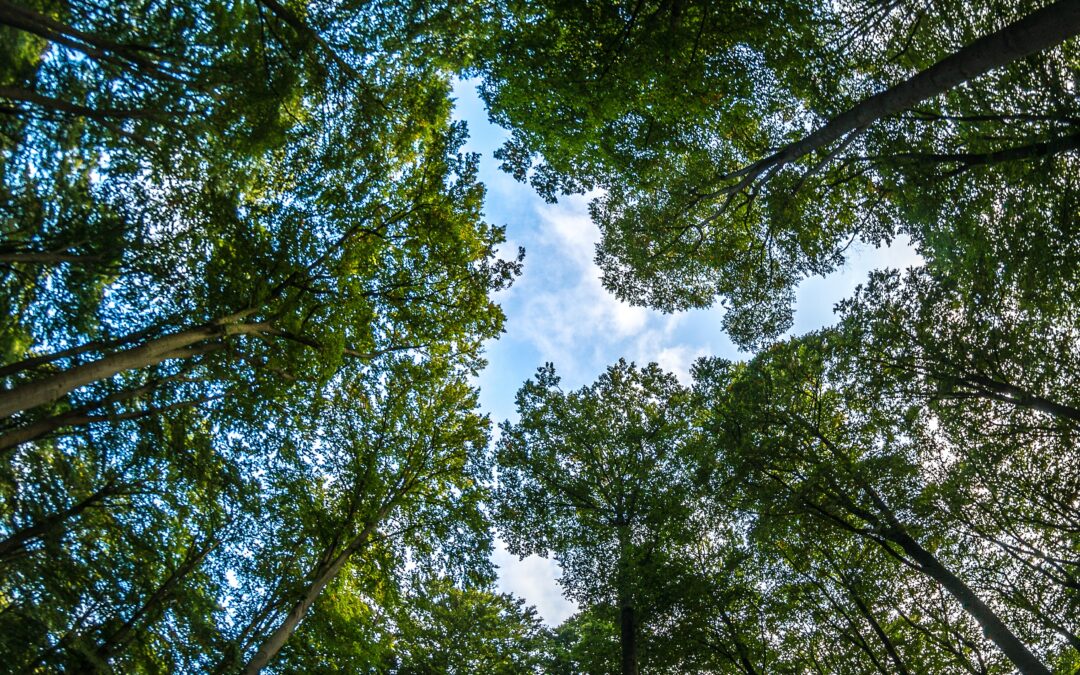
In many forests, the quiet rustle of leaves hides a story of renewal—one where human farewells help damaged landscapes heal. Across different regions, burial practices are shifting toward methods that give back to the earth. By avoiding harmful chemicals, concrete vaults, and metal caskets, natural burial restores wildlife habitats and strengthens forests, creating spaces where both remembrance and biodiversity flourish.
A Return to the Earth Without Barriers
Traditional burials can leave a lasting environmental mark:
-
Embalming fluids may introduce chemicals into soil and groundwater.
-
Metal caskets and concrete vaults disrupt natural decomposition.
-
Cremation, while avoiding land use, releases greenhouse gases and particulate matter.
Natural burial follows a simpler, gentler path. Without embalming, and with biodegradable containers or shrouds, the body returns to the soil in a way that:
-
Enriches the ground with organic matter.
-
Supports the microorganisms that form the foundation of healthy ecosystems.
-
Improves conditions for root growth, helping vegetation take hold and spread.
This approach aligns human departure with nature’s cycles, fostering environments that can sustain diverse plant and animal life.
Burial Grounds as Protected Forests
Some natural burial grounds are intentionally managed as conservation spaces. Instead of neat rows of headstones and trimmed lawns, these landscapes may include:
-
Native trees and shrubs chosen for their ecological value.
-
Unmown meadows supporting pollinators and seed dispersers.
-
Forest trails that allow quiet visitation without disrupting the land.
In the United States, certain conservation cemeteries work under permanent land protection agreements. These ensure the burial grounds remain safeguarded from development while acting as wildlife corridors. Such corridors connect otherwise isolated patches of habitat, giving species the space they need to survive and reproduce.
Reviving Soil and Plant Life
Healthy forests begin underground. In areas where soil has been depleted by agriculture, construction, or pollution, natural burial can help restore balance.
When a body decomposes naturally, it:
-
Adds nutrients that stimulate plant growth.
-
Improves soil structure, making it more resistant to erosion.
-
Supports fungi, bacteria, and invertebrates that keep ecosystems functioning.
Some burial sites integrate restoration projects alongside interments. Families may contribute to this work by planting:
-
Native wildflowers, attracting pollinators such as bees and butterflies.
-
Berry-producing shrubs, which provide food for birds and small mammals.
-
Tree saplings, offering future shelter and nesting areas for woodland creatures.
Over time, these plantings form a layered habitat where different species can coexist.
Safe Havens for Wildlife
Forested burial grounds often become sanctuaries for species under pressure from urban expansion. They offer:
-
Nesting sites for birds in mature trees.
-
Understory vegetation for deer and other mammals seeking cover.
-
A diverse mix of plants that sustain insect populations.
Because natural burial grounds avoid chemical treatments and constant mowing, they remain undisturbed across seasons. Spring blooms provide nectar, summer foliage offers shade, autumn leaf fall enriches the soil, and winter shelter supports overwintering species.
Community Stewardship and Long-Term Care
Choosing natural burial can deepen community connections to the land. Families often return to living memorials—places that change with the seasons and grow over the years. Communities may participate in:
-
Volunteer planting days.
-
Educational walks highlighting the site’s ecological role.
-
Habitat maintenance, such as removing invasive plant species.
Many conservation burial grounds work with environmental organizations to maintain healthy habitats. This collaboration supports long-term preservation goals while honoring those interred on the land.
Climate and Conservation Impact
Forests absorb carbon dioxide and help regulate the climate. Burial sites within forested or rewilded land strengthen this natural capacity. In addition to carbon storage, natural burial reduces emissions by avoiding:
-
The manufacturing of metal caskets and concrete vaults.
-
The high energy use and emissions associated with cremation.
By protecting land from development and allowing it to regenerate, these burial sites also preserve habitats essential for biodiversity. In areas facing habitat loss, this preservation can make the difference between species survival and decline.
A Legacy in the Living World
Each natural burial within a conservation site becomes part of an evolving ecosystem. Over time, these spaces grow richer in plant and animal life, gain healthier soil, and become more resilient to environmental pressures.
Rather than a static resting place, these sites become part of an enduring natural cycle. The result is a legacy rooted not just in memory, but in the life of the forest itself—a living tribute to those who chose a path that gives back to the earth.