When families make decisions about end-of-life care, they often face a deeply personal question: burial or aquamation, which option feels true to their values and their connection to the environment? Aquamation or Burial Which Eco Option Fits Your Values is not a matter of simple preference. It reflects beliefs, emotions, and the legacy one hopes to leave behind.
For some, the image of returning to the soil carries profound meaning. For others, the quiet process of water-based cremation reflects harmony with nature. Both options offer sustainable alternatives to traditional funerals, but each tells a different story about how we relate to the world around us.
Why Eco-Conscious Funerals Are Growing
Traditional funerals in the United States often involve embalming chemicals, metal caskets, and burial vaults—practices that leave a lasting environmental impact. As more people recognize these concerns, interest in eco-conscious farewells has grown steadily.
Several factors drive this shift:
-
Environmental awareness: People want choices that reduce carbon emissions and avoid toxic materials.
-
Conservation efforts: Green cemeteries preserve open land while serving as memorial grounds.
-
Affordability: Simple, natural methods are often less costly than traditional funerals.
-
Changing values: Many families want final arrangements that reflect sustainability and simplicity.
This broader awareness has brought aquamation and natural burial into focus as meaningful alternatives.
Aquamation as a Water-Based Farewell
Aquamation, also known as alkaline hydrolysis, is a process that uses water, heat, and alkali to accelerate natural decomposition. Over several hours, the body is gently reduced, leaving behind bone fragments that are processed into ashes. Families receive these ashes much like they would after flame cremation, allowing for scattering, keeping, or burial.
The appeal of aquamation includes:
-
Lower emissions: It produces no direct carbon emissions, unlike flame cremation.
-
Energy efficiency: It uses only a fraction of the energy required for cremation.
-
Meaningful symbolism: Water has long represented purification and renewal across many cultures.
-
Flexibility for families: The ashes can be kept in an urn, scattered in nature, or buried in a green cemetery.
A limitation, however, is access. While legal in more than 20 U.S. states, it remains restricted in others due to regulatory and legislative hurdles.
Natural Burial and Returning to the Earth
Green burial emphasizes simplicity and ecological responsibility. Instead of embalming and metal or hardwood caskets, the deceased is placed in a shroud or biodegradable container. Graves are dug at natural depths, and the land is left largely undisturbed.
Key aspects of natural burial include:
-
Environmental restoration: Decomposition nourishes soil and supports new growth.
-
Conservation benefits: Many green cemeteries double as nature preserves, protecting habitats.
-
Simplicity: Families value the return to age-old practices without modern interventions.
-
Living memorials: Instead of rows of headstones, graves may be marked with native plants, stones, or GPS coordinates.
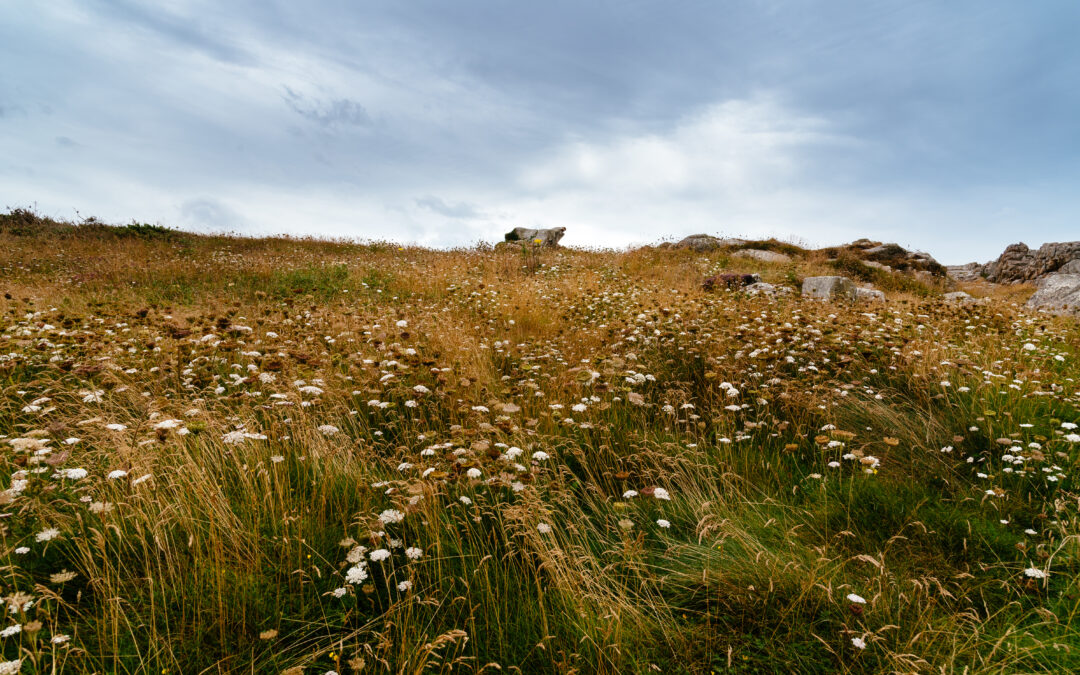
These burial grounds often feel less like cemeteries and more like protected landscapes, offering comfort through connection with nature.
Comparing the Two Choices
Both aquamation and natural burial present eco-friendly alternatives, but they differ in method and symbolism.
-
Environmental Impact
-
Aquamation conserves energy and avoids fossil fuels.
-
Natural burial enriches soil and conserves open space.
-
-
Symbolism and Ritual
-
Aquamation reflects renewal through water, with ashes for memorial use.
-
Burial represents the return of the body to the land.
-
-
Accessibility
-
Aquamation is still limited by state laws.
-
Green burial grounds are expanding, but not yet available everywhere.
-
-
Cost Considerations
-
Both are generally less costly than conventional funerals.
-
Burial costs depend on cemetery pricing and land use.
-
These differences often lead families to reflect on what matters most: ritual, accessibility, ecological legacy, or emotional connection.
Aquamation or Burial: Which Eco Option Fits Your Values
Choosing between aquamation and burial often requires thoughtful reflection.
Ask yourself:
-
Does the permanence of resting in the earth feel most meaningful?
-
Or does water, as a symbol of life and renewal, reflect your beliefs?
-
Would receiving ashes for scattering or memorials help with grieving?
-
Or does the idea of a natural burial ground as a place of remembrance bring comfort?
Some families find that one option aligns clearly with their values. Others combine approaches—for instance, selecting aquamation but choosing to bury the ashes in a conservation cemetery.
Cultural and Spiritual Influences
Tradition plays a significant role in end-of-life decisions.
-
Some faiths view burial as a sacred obligation.
-
Water holds symbolic significance in certain spiritual practices, making aquamation resonate strongly.
-
Families with deep connections to land stewardship may prefer conservation burial sites.
Balancing heritage with environmental awareness allows families to honor both tradition and personal conviction.
Emotional Dimensions of the Decision
Beyond practical concerns, both aquamation and burial carry emotional meaning.
-
Burial: Standing in a meadow or forested burial ground can bring comfort, as the cycle of life continues visibly around the resting place.
-
Aquamation: Receiving ashes allows families to integrate remembrance into daily life or honor loved ones in meaningful locations.
Grief is personal, and the emotional connection each option creates often guides the final decision more than logistics.
Conclusion
The choice between burial and aquamation is more than a practical decision. It reflects personal values, cultural traditions, and the desire to live in harmony with the natural world. When families ask whether aquamation or burial is the eco option that best fits their values, they are really weighing what matters most—sustainability, spirituality, and emotional connection.
For some, a burial in a conservation meadow embodies peace and connection to the land. For others, the gentle embrace of aquamation reflects a commitment to reducing environmental impact. Both options stand as dignified, sustainable ways to honor a life and leave a legacy of care for the world that continues on.