The way we leave this world reflects how we lived in it. For those committed to sustainability, green burial facts that guide real end of life decisions offer more than practical advice—they shape values and legacy. But how does this eco-conscious choice translate into legal, financial, and personal decisions?
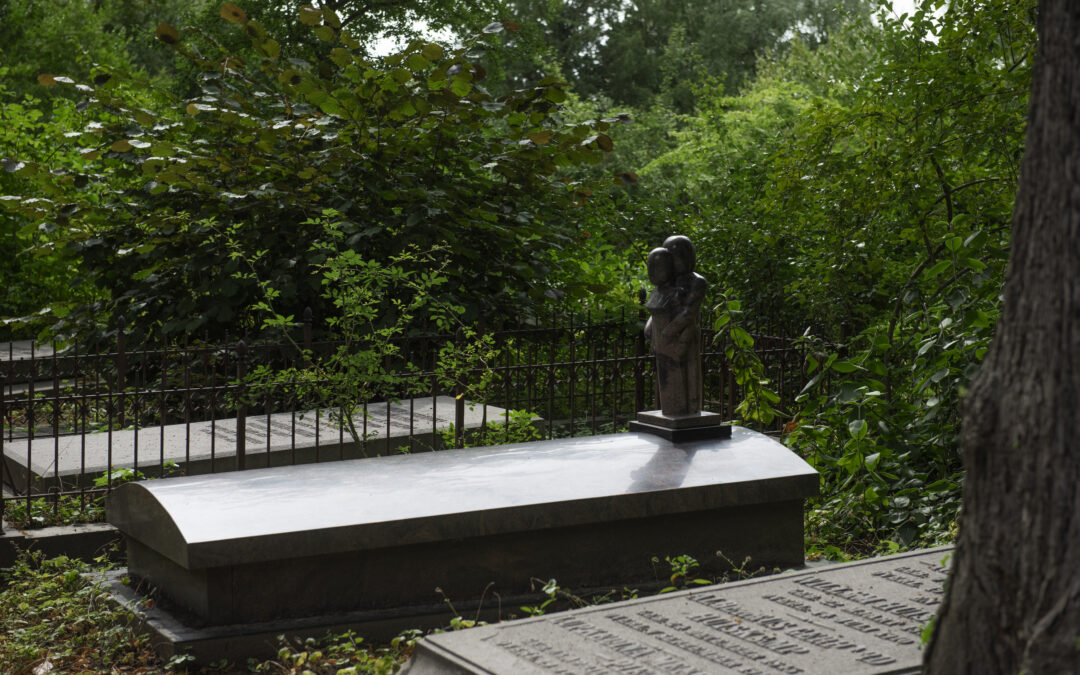
Picture a resting place shaded by oaks, where wild grasses grow uncut and the only marker is a native stone. This is not fantasy. It’s a real, intentional way of closing a life story. A green burial avoids synthetic barriers, allowing a natural return to the earth, and for many, this speaks louder than tradition ever could.
What Makes a Burial Green, and Why It Matters
A green burial avoids embalming chemicals, metal or composite caskets, and concrete vaults. The focus is on allowing the body to decompose naturally and return to the earth with minimal environmental disruption.
This method:
-
Promotes land conservation
-
Reduces carbon emissions
-
Avoids groundwater contamination
These are not hypothetical benefits. The Green Burial Council, a nonprofit accreditation body, has published standards showing how traditional burial methods can negatively impact ecosystems, from leaching formaldehyde into soil to the excessive use of non-renewable materials.
The Economics of Simplicity
Cost is one of the most compelling reasons families choose green burial. Without embalming, vaults, and ornate caskets, expenses can be significantly lower.
| Burial Component | Traditional Range | Green Burial Range |
|---|---|---|
| Embalming | $700–$1,200 | Not Required |
| Casket | $2,000–$10,000 | $300–$1,200 (biodegradable) |
| Vault | $900–$3,500 | Not Used |
| Cemetery Plot & Fees | Widely Variable | Often included with green sites |
Importantly, many conservation cemeteries roll long-term land care into the burial fee, supporting environmental goals while eliminating ongoing maintenance costs.
Legal Realities vs. Myths
Green burial is entirely legal in the U.S., yet confusion persists. Many believe embalming or metal caskets are required, but in reality, most states allow family-directed funerals and natural burial practices.
Key legal insights:
-
Embalming is generally not required unless there is a delay in burial or interstate transport
-
Home funerals are legal in nearly every state
-
Burial on private land may be permitted with proper documentation and zoning approval
According to the National Home Funeral Alliance, legal barriers are typically institutional, not statutory. Funeral homes may follow outdated assumptions, but families have more rights than they often realize.
The Role of Place: Resting Grounds with Meaning
Green burial options aren’t limited to traditional cemeteries. Some nature preserves now offer conservation burials, where interment directly funds land preservation.
These burial grounds:
-
Protect native flora and fauna
-
Require biodegradable burial materials
-
Restrict pesticide and herbicide use
-
Offer natural markers or GPS coordinates instead of granite headstones
In this setting, your final act contributes to the health of the planet, turning grief into stewardship and presence into legacy.
Cultural and Spiritual Compatibility
Green burial naturally supports the values of many faith and cultural traditions. Simplicity, humility, and care for creation are values shared across spiritual lines.
Examples include:
-
Jewish and Muslim burials that avoid embalming and prioritize swift interment
-
Christian denominations that increasingly emphasize stewardship and environmental responsibility
-
Indigenous perspectives that prioritize ecological balance and ancestral land respect
What sets green burial apart is its flexibility—it allows for deeply personal rituals while staying true to ecological values.
Biodegradable Doesn’t Mean Basic
Eco-conscious materials are often beautiful in their simplicity and craftsmanship. Common options include:
-
Woven caskets made from willow, seagrass, or bamboo
-
Natural wood caskets without varnish or metal
-
Cotton or wool shrouds, sometimes handmade or passed through generations
Each item is chosen not just for appearance but for what it becomes—part of the soil, part of the cycle.
Hands-On Farewell: Rituals with Intention
Green burials encourage participation. Without commercial embalming or restricted access, families are free to care for the deceased in personal ways.
Families may:
-
Prepare the body at home
-
Transport it in their own vehicle
-
Lower the casket into the grave
-
Place soil or wildflowers by hand
According to the Funeral Consumers Alliance, such involvement has been shown to help mourners process loss more fully, engaging both mind and body in the farewell.
Planning Ahead: The Gift of Clarity
Pre-planning a green burial goes beyond paperwork. It gives your family peace of mind and allows your values to guide your end-of-life decisions.
Steps include:
-
Choosing a certified green burial site
-
Documenting burial wishes in legal directives
-
Pre-selecting eco-friendly materials
-
Discussing preferences openly with family
Planning removes guesswork and prevents rushed decisions during grief. It invites calm, intentional reflection on life and death alike.
Living Responsibly, Dying Meaningfully
Green burial isn’t for everyone, but for those who choose it, it often feels like a natural extension of the life they lived. It offers a graceful, meaningful departure that supports the earth, honors traditions, and lifts unnecessary burdens from grieving families.