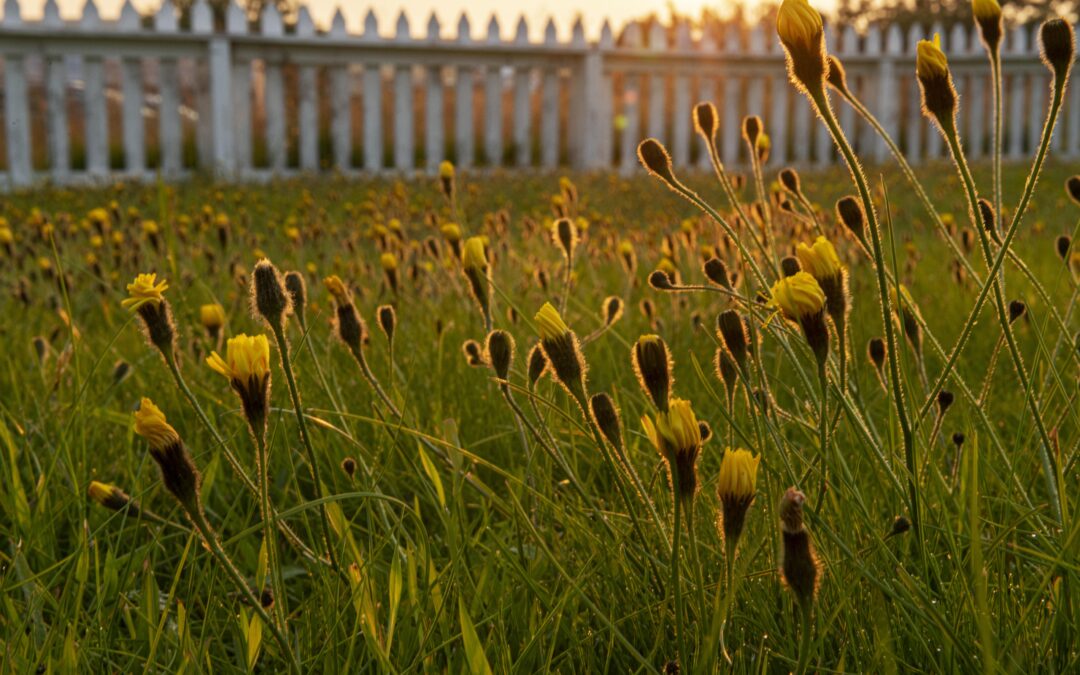
A wildflower’s beauty lies not just in its bloom, but in its quiet ability to heal. Across Maryland, an understated transformation is reshaping how we think about burial grounds. Once defined by manicured lawns and symmetry, these spaces are evolving into natural sanctuaries—restorative environments anchored by native wildflowers.
This shift is more than aesthetic. At its core, it’s a rethinking of how we honor life, death, and the land itself.
Places like Serenity Ridge Natural Burial Cemetery are leading the way, guided by the belief that memorial landscapes should serve both people and planet. These aren’t just gardens—they’re a cultural reset, inviting us to step away from sterile tradition and into a more reciprocal relationship with the earth.
From Monoculture to Meadow: A Change in Perspective
Traditional cemeteries have long followed a formula: neat rows of granite, surrounded by turfgrass and clipped to precision. But that formula comes with a cost—chemically treated lawns, imported grasses, and zero ecological value.
Wildflower-rich burial grounds flip that model on its head. Instead of turf, they offer native Maryland flora like butterfly weed, goldenrod, milkweed, and blue flag iris. These meadows do more than brighten the view—they nurture pollinators, rebuild soil, and provide vital habitat for insects and birds.
It’s a return to something older, wilder, and more meaningful. A place once rooted in grief becomes a landscape of renewal.
Emotional Restoration Through Natural Spaces
Grief is personal, but our environment shapes how we process it. Nature has always offered space for reflection, and when mourning happens among living, breathing ecosystems, something shifts.
The sights and sounds of a native meadow—bees humming, grasses rustling, wildflowers swaying—anchor people in the present. That sensory richness reminds us that life continues. Families walking these grounds often describe a strange comfort: a sense of peace, even joy, in witnessing new growth where there once was loss.
Unlike static rows of stone, wildflower burial spaces evolve. They bloom in spring, fade in winter, and return again—mirroring the cycles of memory and the slow, nonlinear path of healing.
Wildflowers as Ecological Allies
Green burial isn’t just gentler for mourners—it’s better for the planet, too. Unlike conventional practices that rely on embalming chemicals, metal caskets, and concrete vaults, green burials allow the body to return naturally to the earth.
When native wildflowers are part of the equation, that process becomes even more symbiotic. These plants are adapted to Maryland’s climate and soils. Their deep roots break up compacted ground, support beneficial fungi, and help cycle nutrients—all while sustaining fragile pollinator populations.
Take milkweed, for example. Monarch butterflies can’t survive without it, and it’s disappearing in many regions. A burial meadow that includes milkweed isn’t just honoring a loved one—it’s helping preserve a species.
The Value of Local Plants in a Local Context
Maryland’s native plant communities are well adapted to the state’s diverse regions, from the coastal plain to the piedmont and mountain areas. This means they require little irrigation, no synthetic fertilizers, and minimal maintenance once established.
A few standouts in Maryland’s burial meadows include:
-
Black-eyed Susan (Rudbeckia hirta) – Maryland’s state flower, hardy and attractive to pollinators.
-
Swamp milkweed (Asclepias incarnata) – essential for monarch butterfly reproduction.
-
Blue mistflower (Conoclinium coelestinum) – blooms into fall, supporting late-season pollinators.
-
Eastern bluestar (Amsonia tabernaemontana) – known for its soft blue flowers and fall color.
Choosing these plants means honoring the region’s natural identity while creating low-maintenance, high-impact ecosystems.
Rethinking Commemoration and Legacy
Stone is static. Meadows are alive. That’s the fundamental difference.
In wildflower burial grounds, legacy isn’t locked in granite—it’s fluid, dynamic, and participatory. Families might plant a native tree in memory. They might scatter wildflower seeds, or walk the same path each season to witness how the land changes. These rituals can deepen our connection—not just to the person we’ve lost, but to the land that holds them.
Legacy, in this context, expands beyond the individual. It’s not just about remembering—it’s about nourishing the future.
Navigating the Transition: Practical and Cultural Considerations
Creating a wildflower burial site isn’t as simple as letting things “go wild.” It’s an intentional process that requires ecological expertise, seasonal strategy, and a lot of patience.
At Serenity Ridge, for example, land stewards collaborate with native plant specialists to get it right. Soil is prepped. Species are carefully selected to suit the microclimate. Invasives are managed by hand. Plantings are timed with droughts and frosts in mind. Every detail is part of a long-term vision for a self-sustaining ecosystem.
There’s also a cultural shift to manage. Families often arrive expecting familiar cemetery tropes: marble markers, tidy lawns, symmetry. What they find instead might be a stone set flush with the earth, or a field of tall grass where bees gather nectar. It takes some getting used to.
But time and exposure tend to win people over. As families spend time in these places, the unfamiliar becomes beautiful—and the beauty begins to feel right.
Beyond the Burial: Engaging Community and Conservation
Some of Maryland’s green cemeteries are going a step further, partnering with conservation groups to legally protect their landscapes in perpetuity. Through conservation easements, burial grounds can become nature preserves—spaces that host school groups, birdwatchers, and native plant walks, all while honoring the dead.
It’s a radical but deeply logical concept: that even in death, we can contribute to life.
These burial grounds serve as reminders that open land has value beyond development. They show that commemoration and conservation aren’t mutually exclusive—they can, in fact, enhance one another.
A Living Tribute That Grows with Time
In an era where more people are thinking critically about their environmental impact, green burial offers a final gesture with lasting meaning. It affirms that our connection to the planet doesn’t end when we die—it continues, quietly and beautifully, in the soil and seeds we leave behind.
For many, wildflower burial grounds reframe death entirely. They aren’t endpoints. They’re continuums.
Where others see loss, these landscapes offer a kind of quiet assurance that memory, like nature, finds a way to grow back—stronger, richer, and rooted in something deeper than stone.