It’s easy to think of cremation as the lighter, more modern approach to death. There’s no casket, no chemical embalming, and no concrete vault. Compared to traditional burial, it feels simpler, less invasive, and even, perhaps, better for the environment. But the rise of cremation raises a more pressing question: Is cremation really a sustainable option for the planet?
The answer isn’t as straightforward as many assume. While cremation avoids some of the most visibly resource-heavy aspects of conventional burial, its true environmental cost lies in what we can’t always see—namely, emissions, energy use, and overlooked pollutants.
Why Cremation Became the Default
Over the past two decades, cremation has overtaken traditional burial in popularity throughout the United States. According to the National Funeral Directors Association, cremation accounted for nearly 60% of dispositions in 2023. Several factors drive this trend:
-
It’s often more affordable than burial.
-
It allows flexibility in timing and memorial style.
-
It avoids embalming chemicals and casket materials.
-
Many people believe it’s better for the environment.
This last point, though, deserves a closer look. Environmental impact doesn’t begin and end with land use. It also includes what we burn, what we release, and what remains behind.
The Energy and Emissions Footprint of Cremation
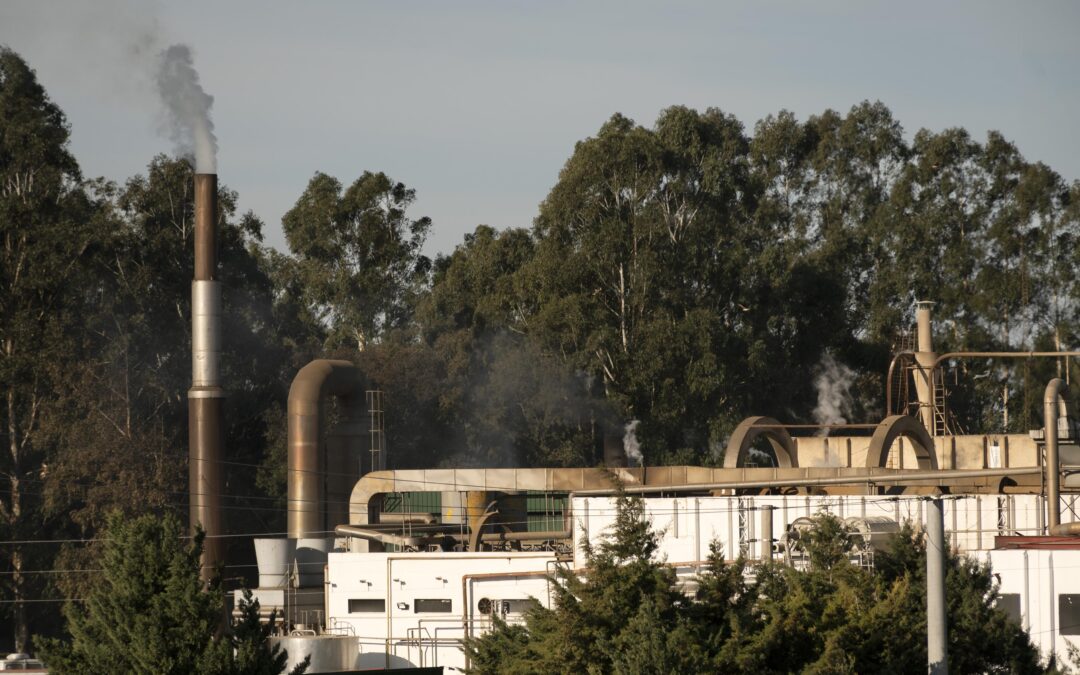
Cremating a human body requires extreme temperatures—up to 1,800°F—maintained over several hours. That heat usually comes from natural gas, and the process consumes a substantial amount of energy. Estimates show that each cremation generates roughly 534 pounds of carbon dioxide.
That’s comparable to driving a typical passenger vehicle more than 600 miles.
Cremation also releases other airborne pollutants, including:
-
Nitrogen oxides and sulfur dioxide contribute to acid rain and smog.
-
Particulate matter affects air quality and respiratory health.
-
Volatile organic compounds (VOCs), some of which are harmful or carcinogenic.
While these emissions are generally low per cremation, they accumulate quickly across the 1.5+ million cremations performed annually in the U.S. The impact scales up significantly.
Mercury Emissions: A Hidden Threat
Beyond CO₂, one of the more concerning byproducts of cremation is mercury vapor. This is primarily released when bodies with dental amalgam fillings are cremated. Mercury doesn’t stay local—it travels through the atmosphere, eventually settling into oceans, rivers, and soil. Once in the water, it can convert into methylmercury, a neurotoxin that accumulates in fish and enters the human food chain.
Some nations and regions have required mercury filtration systems for crematoriums, but in the U.S., regulation is inconsistent. According to the Environmental Protection Agency (EPA), crematoria are not federally required to install mercury abatement systems, leaving emissions largely unchecked in many areas.
This gap in regulation makes cremation’s sustainability heavily dependent on where—and how—it’s carried out.
Cremation vs. Green Burial: A Matter of Impact
When compared to conventional burial, cremation avoids some major sources of environmental degradation:
-
It requires no embalming chemicals.
-
It doesn’t involve manufacturing metal caskets or concrete vaults.
-
It uses far less land.
But against natural or green burial, cremation fares worse in several key areas.
Green burial allows the body to decompose naturally in the earth. It typically involves:
-
A biodegradable shroud or a simple coffin
-
No embalming
-
No burial vault
-
Often, conservation of land or support for reforestation
Here’s how the two compare:
| Environmental Factor | Cremation | Green Burial |
|---|---|---|
| Energy Use | High (natural gas) | Low to none |
| Carbon Emissions | ~534 lbs CO₂ per cremation | Minimal |
| Mercury Emissions | Likely (from dental fillings) | None |
| Soil and Water Pollution | None directly, but airborne risks | None |
| Ecological Benefit | Neutral to negative | Potentially positive (restorative) |
In short, green burial is consistently the lower-impact choice when available.
Are There Cleaner Alternatives to Flame-Based Cremation?
Yes—though they’re still emerging. One promising option is alkaline hydrolysis, also known as water cremation or resomation. Instead of fire, it uses a mix of water, heat, and alkaline chemicals to break down the body. The result is a sterile liquid and powdered bone, with no air emissions.
Benefits of alkaline hydrolysis include:
-
90% lower energy use than traditional cremation
-
No combustion
-
No mercury emissions
-
Lower carbon footprint overall
Despite these advantages, alkaline hydrolysis is currently legal in only about 30 U.S. states and remains inaccessible in many parts of the country. Infrastructure is still limited, and public awareness is low.
If Cremation Is Chosen, Can It Be Made Greener?
Yes. While cremation isn’t the most sustainable option available, there are steps that can reduce its footprint:
-
Select a crematorium with modern filtration systems or carbon-neutral initiatives.
-
Request the removal of dental amalgam fillings prior to cremation to reduce mercury emissions.
-
Offset carbon emissions through verified environmental programs.
-
Use biodegradable urns or choose natural ash scattering rather than plastic containers or permanent vaults.
These measures don’t eliminate cremation’s impact, but they show that even within current limitations, informed choices matter.
Why Sustainability in Death Care Matters
As environmental consciousness grows, more individuals are considering how their final act on Earth reflects their values. Choosing a method of disposition isn’t just about cost or tradition anymore. It’s also about ecological legacy.
Funeral decisions once left to custom or religion are now viewed through the lens of sustainability. Whether it’s returning to the earth through natural burial or minimizing emissions with new technologies, death care is becoming an extension of a life lived with intention.
So, Is Cremation Really a Sustainable Option for the Planet?
It depends on what you’re comparing it to. Cremation is certainly more sustainable than conventional burial with embalming, metal caskets, and concrete vaults. It’s more compact, requires less land, and avoids toxic embalming chemicals.
However, when weighed against green burial or water-based alternatives, cremation falls short. It still contributes significantly to carbon emissions and can release hazardous pollutants, especially when not regulated.
Sustainability, in this context, is less a binary and more a spectrum. Cremation can be part of a lower-impact death care plan, but it is not the endpoint of sustainability. With thoughtful choices, families can reduce their footprint—but they can’t erase it entirely.