Not everyone wants a cemetery. For some, a more personal and ecologically thoughtful farewell calls for something softer—something that echoes nature rather than interrupts it. That’s why gentle ash placement options in Maryland’s woodlands have become a meaningful choice for individuals and families seeking a deeper connection with the land, even after death.
These options reflect more than just environmental responsibility. They offer a sense of permanence rooted not in stone, but in the ongoing rhythms of life—saplings growing, rain nourishing the soil, and leaves returning to earth.
The Rise of Natural Memorial Practices
Cremation is now the preferred method for over half of Americans, according to the National Funeral Directors Association, reflecting shifting values toward cost, flexibility, and ecological impact. But what comes after cremation is still evolving. Increasingly, families are looking for options that honor the memory of their loved ones without disrupting natural ecosystems.
Maryland’s woodland areas—rich in biodiversity and home to several conservation-focused sanctuaries—present ideal settings for these practices. Places like Serenity Ridge in Baltimore County and other land-trust-protected forests have helped reframe what a final resting place can look like.
Legal and Ecological Considerations
Cremated remains contain high levels of calcium and other minerals that can affect soil pH. For this reason, responsible ash placement often involves amending the soil or using biodegradable containers designed to neutralize these effects. Some preserves blend ashes with organic material to encourage healthy root development when planting a memorial tree.
For detailed ecological impact data, the Green Burial Council provides guidelines for environmentally safe cremation practices. This ensures that ash placement supports, rather than undermines, the health of the forest.
Personalized Woodland Scattering Ceremonies
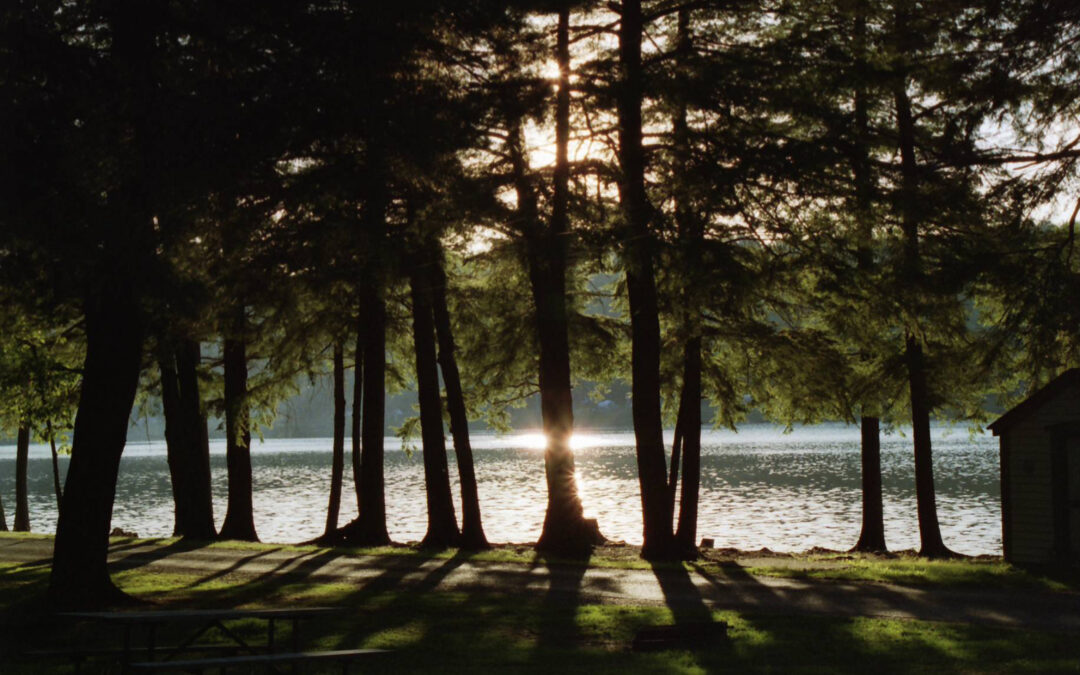
In curated woodland preserves, scattering is not a solitary act. Many sites offer facilitated ceremonies that are as personal as they are peaceful. Rather than traditional services, families might walk a winding trail to a chosen glade, where readings are shared or quiet reflection is observed.
• Ashes may be sifted into the earth using a handmade vessel
• Guests might participate in a circle of remembrance
• Some sites provide ceremonial bowls or natural scattering baskets
Unlike cemetery burials, these moments are not bound by formality. The forest becomes both a witness and a participant in the ritual, offering quiet companionship and space for memory.
Biodegradable Urns and Living Memorials
Ash placement doesn’t always mean scattering. Many families choose biodegradable urns made of sand, salt, or recycled paper. These containers slowly return to the earth, and in some cases, are designed to support plant growth.
In Maryland woodlands, native tree species such as black gum, eastern redbud, or flowering dogwood are often selected for these living tributes. When combined with soil amendments, the ash-urn mixture creates a nutrient foundation for new growth.
These trees are not marked with large plaques. Instead, small, unobtrusive markers may be used, or GPS coordinates stored in digital registries. This approach keeps the forest landscape undisturbed while allowing families to return and recognize the spot quietly.
Choosing the Right Site for Woodland Ash Placement
Not all woodland areas are legally protected or managed for conservation burial. It’s important to choose a site that prioritizes long-term preservation and ecological health. Certified burial preserves such as those affiliated with the Conservation Burial Alliance meet stringent standards for land management, community involvement, and ecological restoration.
When evaluating a location, consider the following:
- Is the land permanently protected from development?
- Are soil and flora actively monitored for ecological impact?
- Are there support services for planning ceremonies or placing urns?
- Is visitation accessible but respectful of wildlife and native habitats?
These questions help ensure the memorial is not only meaningful today, but remains part of a living forest far into the future.
Creating Space for Grief and Reflection
The emotional benefits of natural ash placement extend well beyond the ceremony. Without rows of identical stones or manicured lawns, these memorial spaces invite an entirely different kind of remembrance.
Visitors might return in spring to see wildflowers blooming where a tree was planted. They may walk a familiar trail, sit beneath the canopy, and reflect in solitude. There are no set hours, no gates, no formal scripts. Just the natural cadence of the seasons, and a sense of quiet continuity.
This approach can help reframe grief as an evolving relationship—less defined by absence and more by ongoing connection to place and life.
Stewardship and Conservation
Choosing ash placement in a woodland setting is also a statement of stewardship. These memorials support long-term conservation by funding habitat restoration, invasive species management, and environmental education.
At preserves like Serenity Ridge, proceeds from interment and scattering help maintain trails, remove invasive plants, and reintroduce native species. Over time, the cumulative impact of these memorials extends well beyond the individuals they honor.
For context, the Land Trust Alliance explains how conservation burial grounds contribute to broader land preservation goals by placing burial income into permanent land stewardship.
A Meaningful Return to the Earth
Gentle ash placement in Maryland’s woodlands is more than a method; it’s a philosophy. It reflects a desire to be part of something bigger, to return not just to the earth but to a place that lives and changes. This return is not final but cyclical, feeding future life, supporting local ecosystems, and offering families a space of real, rooted peace.
Whether marked by a tree, a trail, or simply memory, these resting places honor both the individual and the landscape. In doing so, they bridge the human story with the natural world—quietly, permanently, and with care.